How to develop a personalized stress management plan for daily life is a crucial skill for navigating the demands of modern living. Stress is an inevitable part of life, but its impact can be mitigated through proactive strategies. By understanding your unique stressors and developing a tailored toolkit of coping mechanisms, you can effectively manage stress and improve your overall well-being.
This comprehensive guide will explore the steps involved in creating a personalized stress management plan. From identifying your triggers to incorporating stress-reducing techniques into your daily routine, we’ll provide practical insights and actionable advice to empower you to take control of your stress levels and lead a healthier, happier life.
Understanding Your Stress Triggers
Understanding your stress triggers is the first step in developing a personalized stress management plan. Identifying what causes you stress can help you develop strategies to manage those stressors and prevent them from negatively impacting your well-being.
Common Stressors in Daily Life
Stressors are situations or events that trigger a stress response. These can range from minor inconveniences to major life events. Recognizing common stressors in your daily life is crucial for developing an effective stress management plan.
- Work-related stress: This can include demanding deadlines, heavy workload, difficult colleagues, and lack of control over work tasks.
- Financial stress: Money worries, debt, and financial instability can significantly impact mental health and contribute to stress.
- Relationship stress: Conflicts with family members, partners, friends, or colleagues can lead to emotional strain and stress.
- Health concerns: Chronic illnesses, injuries, or concerns about health can be significant stressors, impacting both physical and mental well-being.
- Life changes: Major life events such as moving, changing jobs, getting married, or experiencing a loss can trigger stress due to the adjustments and uncertainties involved.
- Social media: Constant exposure to curated content and comparisons with others on social media can contribute to feelings of inadequacy, pressure, and stress.
- Environmental stressors: Noise pollution, traffic congestion, and exposure to toxins can impact mental health and contribute to stress.
Manifestations of Stress
Stressors can manifest physically and emotionally in various ways. Recognizing these symptoms can help you identify and manage stress effectively.
- Physical symptoms: Headaches, muscle tension, fatigue, digestive issues, changes in appetite, and sleep disturbances are common physical manifestations of stress.
- Emotional symptoms: Irritability, anxiety, mood swings, difficulty concentrating, and feeling overwhelmed are common emotional responses to stress.
Frequency and Intensity of Stressors
The frequency and intensity of stressors can vary depending on individual circumstances and coping mechanisms. Some individuals may experience frequent, intense stressors, while others may experience infrequent but significant stressors.
- Frequency: The frequency of a stressor refers to how often it occurs. Some stressors, such as daily commutes, occur regularly, while others, such as major life events, may be infrequent.
- Intensity: The intensity of a stressor refers to its severity and impact on your well-being. Some stressors, such as a minor inconvenience, may have a low intensity, while others, such as a major illness, may have a high intensity.
Building a Stress Management Toolkit
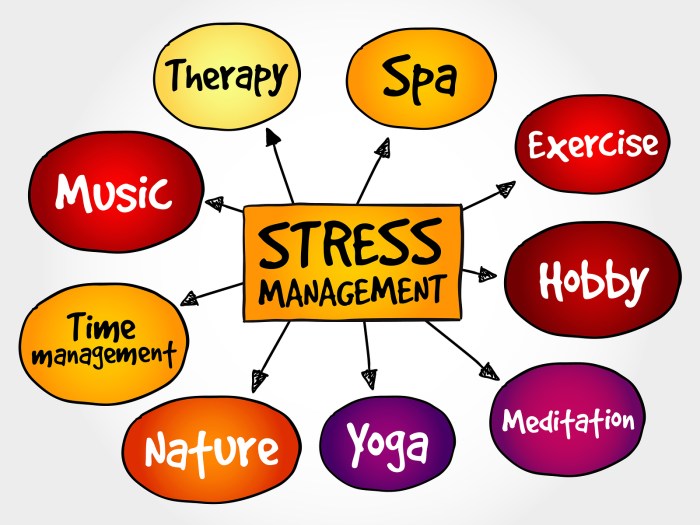
Now that you understand your stress triggers, it’s time to create a toolkit filled with techniques to manage them effectively. A toolkit is a collection of tools and strategies that you can use to reduce stress and promote well-being.
These techniques are not one-size-fits-all, so it’s important to experiment and find what works best for you.
Stress Management Techniques
A wide range of stress management techniques can help you cope with stress. These techniques can be categorized as follows:
- Relaxation Techniques: These techniques aim to calm the body and mind, reducing physical tension and mental anxiety. Some popular relaxation techniques include:
- Deep Breathing: This simple technique involves taking slow, deep breaths, focusing on the inhales and exhales. Deep breathing can help slow your heart rate, lower blood pressure, and relax your muscles. It can be practiced anywhere and anytime, making it a convenient and effective stress reliever.
- Progressive Muscle Relaxation: This technique involves systematically tensing and relaxing different muscle groups in your body. By focusing on the tension and release, you can become more aware of physical tension and learn to release it. This technique can help reduce muscle tension, improve sleep quality, and promote relaxation.
- Meditation: Meditation involves focusing your attention on a single point, such as your breath or a mantra, to clear your mind and achieve a state of deep relaxation. Meditation has been shown to reduce stress, anxiety, and depression, improve focus, and enhance emotional well-being.
- Yoga: Yoga combines physical postures, breathing techniques, and meditation. Yoga can help improve flexibility, strength, and balance, while also reducing stress, improving sleep, and promoting relaxation. It can be a good option for those who prefer a more active approach to relaxation.
- Cognitive Techniques: These techniques aim to change your thinking patterns and behaviors to manage stress. Some effective cognitive techniques include:
- Cognitive Reframing: This technique involves challenging and changing negative or unhelpful thoughts to more positive and realistic ones. By identifying and reframing negative thoughts, you can reduce their impact on your emotions and behavior.
- Mindfulness: Mindfulness involves paying attention to the present moment without judgment. It helps you become more aware of your thoughts, feelings, and sensations, allowing you to respond to stress in a more balanced and mindful way.
- Problem-Solving: When you face stressful situations, problem-solving can help you find solutions and regain control. This technique involves breaking down problems into smaller steps, identifying potential solutions, and implementing them to reduce stress and anxiety.
- Time Management: Effective time management can help you prioritize tasks, reduce overwhelm, and prevent stress from building up. Techniques like planning, scheduling, and setting realistic goals can significantly reduce stress associated with deadlines and workload.
- Lifestyle Changes: These changes aim to improve your overall well-being and reduce stress. Lifestyle changes include:
- Regular Exercise: Physical activity releases endorphins, which have mood-boosting effects. Regular exercise can help reduce stress, improve sleep, and increase energy levels. Aim for at least 30 minutes of moderate-intensity exercise most days of the week.
- Healthy Diet: Eating a balanced diet rich in fruits, vegetables, and whole grains can provide your body with the nutrients it needs to function optimally. Avoid processed foods, sugary drinks, and excessive caffeine and alcohol, as these can contribute to stress and anxiety.
- Adequate Sleep: Sleep deprivation can significantly increase stress levels. Aim for 7-9 hours of quality sleep each night to allow your body and mind to rest and recharge. Establish a regular sleep schedule, create a relaxing bedtime routine, and optimize your sleep environment.
- Social Support: Connecting with loved ones and maintaining strong social connections can provide emotional support and reduce stress. Spend time with friends and family, join social groups, or seek out support from a therapist or counselor.
Designing a Personalized Stress Management Plan
Now that you have a toolkit of techniques, it’s time to create a personalized plan. This plan should include:
- Identifying Your Specific Stressors: Start by identifying the specific triggers that cause you the most stress. This might include work deadlines, relationship conflicts, financial worries, or health concerns.
- Choosing Techniques: Select techniques from your toolkit that you find most appealing and effective. You can choose a combination of relaxation, cognitive, and lifestyle techniques to address different aspects of your stress.
- Creating a Schedule: Schedule time for your chosen techniques into your daily routine. This might include practicing deep breathing exercises during your commute, meditating for 10 minutes before bed, or taking a yoga class once a week.
- Tracking Your Progress: Keep track of your stress levels and how your chosen techniques are working. This can help you identify what works best for you and adjust your plan as needed.
- Seeking Professional Help: If you are struggling to manage your stress on your own, don’t hesitate to seek professional help. A therapist or counselor can provide guidance and support to develop effective stress management strategies.
Integrating Stress Management into Your Routine: How To Develop A Personalized Stress Management Plan For Daily Life
Now that you have a solid understanding of your stress triggers and have compiled a toolbox of stress management techniques, it’s time to weave these strategies into your daily life. The key is to create a plan that is realistic, sustainable, and tailored to your individual needs.
Incorporating Stress Management Techniques into Your Daily Schedule
Making stress management a part of your daily routine requires intentionality and consistency. Here are some ways to integrate your stress management techniques into your schedule:
- Schedule Time for Self-Care:Block out time in your calendar for activities that help you de-stress, just as you would for important meetings or appointments. This could include exercise, meditation, spending time in nature, reading, or engaging in hobbies.
- Mindful Moments Throughout the Day:Even short bursts of mindfulness can have a significant impact on stress levels. Try incorporating quick mindfulness exercises throughout your day, such as taking a few deep breaths before a challenging meeting, practicing gratitude for a few moments, or simply noticing your surroundings.
- Integrate Relaxation Techniques into Your Workday:If you find yourself feeling overwhelmed at work, try incorporating relaxation techniques like deep breathing or progressive muscle relaxation into your workday. You can even take short breaks to stretch or walk around.
- Use Technology to Your Advantage:There are many apps and online resources available to help you manage stress. Some apps offer guided meditations, mindfulness exercises, or even calming music.
Maintaining Consistency with Your Plan
Consistency is key to building a strong foundation for stress management. Here are some tips to help you stay on track:
- Start Small and Gradually Increase:Don’t try to overhaul your entire routine overnight. Instead, start with small, manageable changes and gradually increase your efforts as you feel more comfortable.
- Set Realistic Goals:Don’t set yourself up for failure by setting unrealistic goals. Start with small, achievable goals and gradually work your way up.
- Make it a Habit:The more you practice your stress management techniques, the more automatic they will become. Aim to incorporate these techniques into your daily routine as a habit.
- Be Patient and Kind to Yourself:It takes time to develop new habits and make lasting changes. Be patient with yourself and don’t get discouraged if you slip up occasionally. Just get back on track as soon as you can.
Adjusting Your Plan Based on Changing Stress Levels
Your stress levels are constantly fluctuating, so it’s important to adjust your stress management plan accordingly. Here are some ways to make adjustments:
- Monitor Your Stress Levels:Pay attention to your body’s signals and be aware of your stress triggers. If you notice your stress levels increasing, take steps to manage them proactively.
- Experiment with Different Techniques:Not all stress management techniques work for everyone. Try different techniques and find what works best for you.
- Seek Support:If you’re struggling to manage your stress on your own, don’t hesitate to seek support from a therapist, counselor, or trusted friend or family member.
Promoting Overall Well-being
A holistic approach to stress management goes beyond simply learning coping mechanisms. It involves actively nurturing your physical, mental, and emotional health, creating a foundation of resilience that can withstand life’s challenges.
Healthy Lifestyle
A healthy lifestyle is the cornerstone of effective stress management. It empowers you to better handle stress by building a strong foundation of physical and mental resilience.
- Nutrition:A balanced diet rich in fruits, vegetables, whole grains, and lean protein provides your body with the essential nutrients it needs to function optimally, reducing stress and boosting energy levels. Avoid processed foods, sugary drinks, and excessive caffeine, which can exacerbate stress and contribute to fatigue.
- Exercise:Regular physical activity releases endorphins, which have mood-boosting effects and help reduce stress hormones. Aim for at least 30 minutes of moderate-intensity exercise most days of the week. Activities like brisk walking, swimming, cycling, and dancing can all be beneficial.
- Sleep:Adequate sleep is crucial for stress management. When you’re sleep-deprived, your body produces more stress hormones, making you more susceptible to stress and anxiety. Aim for 7-9 hours of quality sleep each night. Establish a regular sleep schedule, create a relaxing bedtime routine, and optimize your sleep environment for a restful night’s sleep.
Medical Innovations
Advancements in stress management therapies and medications offer new avenues for managing stress and improving mental health.
- Cognitive Behavioral Therapy (CBT):CBT is a highly effective therapy that helps individuals identify and change negative thought patterns and behaviors that contribute to stress and anxiety. It equips individuals with tools and strategies to manage stress in a healthy and sustainable way.
- Mindfulness-Based Stress Reduction (MBSR):MBSR is a program that teaches individuals to cultivate mindfulness, a state of non-judgmental awareness of the present moment. This practice can help reduce stress, improve focus, and promote emotional well-being.
- Medications:In some cases, medications like antidepressants or anti-anxiety drugs may be prescribed to help manage severe stress or anxiety disorders. It’s essential to consult with a qualified healthcare professional to determine if medication is appropriate and to discuss potential side effects.
Nutritional Supplements
Certain nutritional supplements may support stress management by providing essential nutrients that play a role in mood regulation and stress response.
- Magnesium:Magnesium is a mineral that plays a role in regulating neurotransmitters, including those involved in mood and stress response. It can help promote relaxation and reduce anxiety.
- Vitamin D:Vitamin D deficiency has been linked to depression and anxiety. Supplementation with vitamin D may be beneficial for some individuals, particularly those with low levels.
- Omega-3 Fatty Acids:Omega-3 fatty acids are essential fats that have been shown to have anti-inflammatory and mood-boosting effects. They may be helpful in managing stress and reducing symptoms of depression.
Fitness Routine
A personalized fitness routine can significantly contribute to stress reduction by releasing endorphins, improving sleep, and boosting self-esteem.
- Cardiovascular Exercise:Activities like running, swimming, or cycling elevate your heart rate and improve cardiovascular health, which can reduce stress and improve mood.
- Strength Training:Resistance training builds muscle mass and increases bone density, which can enhance your body’s ability to handle stress.
- Yoga and Pilates:These practices combine physical movement with mindfulness, promoting flexibility, strength, and stress reduction.
Health Screenings
Regular health screenings are essential for identifying potential health issues that can contribute to stress. Early detection and treatment can help prevent stress-related complications.
- Blood Pressure:High blood pressure is a risk factor for heart disease and stroke, both of which can contribute to stress. Regular blood pressure checks can help monitor your risk and identify any potential problems early on.
- Cholesterol:High cholesterol levels increase the risk of heart disease, which can lead to stress and anxiety. Regular cholesterol screenings can help manage your risk and identify any potential problems.
- Blood Sugar:Uncontrolled blood sugar levels can lead to diabetes, which can contribute to stress and anxiety. Regular blood sugar checks can help manage your risk and identify any potential problems.
Disease Prevention
Preventative measures play a crucial role in reducing stress by minimizing the risk of developing chronic conditions that can contribute to stress and anxiety.
- Healthy Diet:A balanced diet rich in fruits, vegetables, whole grains, and lean protein can help prevent chronic diseases such as heart disease, diabetes, and cancer, all of which can contribute to stress.
- Regular Exercise:Regular physical activity can help prevent chronic diseases and improve overall health, reducing your risk of stress-related complications.
- Vaccinations:Vaccinations protect against infectious diseases, which can lead to stress and anxiety.
Sleep Hygiene
Establishing healthy sleep habits is essential for stress management. When you’re well-rested, you’re better equipped to handle stress and cope with challenges.
- Regular Sleep Schedule:Go to bed and wake up at roughly the same time each day, even on weekends, to regulate your body’s natural sleep-wake cycle.
- Relaxing Bedtime Routine:Create a calming routine that signals to your body that it’s time to wind down. This could include taking a warm bath, reading a book, or listening to relaxing music.
- Optimize Your Sleep Environment:Make sure your bedroom is dark, quiet, and cool. Avoid using electronic devices in bed, as the blue light emitted from these devices can interfere with sleep.
Mental Clarity, How to develop a personalized stress management plan for daily life
Improving mental clarity and focus can help manage stress by reducing feelings of overwhelm and enhancing your ability to cope with challenges.
- Mindfulness Meditation:Regular mindfulness practice can help train your mind to focus on the present moment, reducing racing thoughts and anxieties.
- Deep Breathing Exercises:Deep, slow breaths can help calm your nervous system and reduce feelings of stress.
- Cognitive Restructuring:This technique involves identifying and challenging negative thought patterns that contribute to stress.
Hydration Importance
Staying hydrated is essential for overall health and stress management. Dehydration can lead to fatigue, headaches, and irritability, all of which can exacerbate stress.
- Drink Water Throughout the Day:Aim to drink water regularly throughout the day, even when you’re not thirsty.
- Carry a Water Bottle:Keep a reusable water bottle with you at all times to make it easy to stay hydrated.
- Limit Sugary Drinks:Sugary drinks can dehydrate you and contribute to stress. Choose water, unsweetened tea, or sparkling water instead.
Healthy Habits
Incorporating healthy habits into your daily routine can significantly contribute to stress reduction.
- Regular Exercise:Physical activity releases endorphins, which have mood-boosting effects and help reduce stress hormones.
- Mindful Eating:Pay attention to your meals and savor each bite. Avoid distractions while eating, and focus on the taste and texture of your food.
- Quality Sleep:Aim for 7-9 hours of quality sleep each night. Establish a regular sleep schedule, create a relaxing bedtime routine, and optimize your sleep environment for a restful night’s sleep.
- Stress-Reducing Activities:Engage in activities that you find enjoyable and relaxing, such as reading, spending time in nature, or listening to music.
- Social Connection:Nurture meaningful relationships with friends and family. Social support can help buffer against stress.
Emotional Wellbeing
Emotional wellbeing is a critical component of stress management. Nurturing your emotional health helps you build resilience and cope with life’s challenges.
- Self-Care:Prioritize activities that nourish your emotional well-being, such as spending time in nature, engaging in hobbies, or practicing relaxation techniques.
- Emotional Regulation:Learn to identify and manage your emotions in a healthy way. This could involve practicing mindfulness, deep breathing, or journaling.
- Seek Support:Don’t hesitate to reach out for help when you need it. Talk to a trusted friend, family member, or therapist about your feelings and concerns.
Healthy Aging
As you age, it’s essential to adapt your stress management strategies to address the unique challenges of aging.
- Stay Active:Regular physical activity is essential for maintaining physical and mental health as you age. Find activities that you enjoy and that fit your fitness level.
- Maintain Social Connections:Nurture relationships with friends and family. Social support can help buffer against stress and promote well-being.
- Manage Chronic Conditions:If you have any chronic conditions, work with your healthcare provider to manage them effectively.
Active Lifestyle
An active lifestyle can significantly contribute to stress management by promoting physical and mental well-being.
- Regular Exercise:Physical activity releases endorphins, which have mood-boosting effects and help reduce stress hormones.
- Outdoor Activities:Spending time in nature can reduce stress and improve mood. Go for walks, hikes, or bike rides.
- Hobbies:Engage in activities that you enjoy and that bring you joy.
Cardiovascular Health
Maintaining cardiovascular health is essential for stress management. Heart disease and stroke can contribute to stress and anxiety.
- Healthy Diet:Eat a balanced diet that’s low in saturated and trans fats, cholesterol, and sodium.
- Regular Exercise:Engage in at least 30 minutes of moderate-intensity exercise most days of the week.
- Manage Stress:Chronic stress can negatively impact cardiovascular health. Find healthy ways to manage stress.
Healthy Recipes
A healthy diet is a cornerstone of stress management. Here are some healthy recipes that can support your well-being:
- Salmon with Roasted Vegetables:Salmon is a good source of omega-3 fatty acids, which have been linked to improved mood and reduced stress. Roast vegetables like broccoli, carrots, and Brussels sprouts for a nutritious and delicious meal.
- Chicken Stir-Fry with Brown Rice:This dish is packed with protein, fiber, and vitamins. Use lean chicken breast, a variety of colorful vegetables, and brown rice for a satisfying and healthy meal.
- Quinoa Salad with Grilled Chicken:Quinoa is a complete protein and a good source of fiber. Combine quinoa with grilled chicken, chopped vegetables, and a light vinaigrette for a healthy and flavorful salad.
Mental Resilience
Building mental resilience can help you cope with stress and bounce back from adversity.
- Positive Self-Talk:Challenge negative thoughts and replace them with positive affirmations.
- Problem-Solving Skills:Develop strategies for tackling challenges and finding solutions.
- Acceptance:Learn to accept things you can’t control and focus on what you can change.
Immune Support
A strong immune system is essential for overall health and stress management. When your immune system is compromised, you’re more susceptible to illness, which can contribute to stress and anxiety.
- Healthy Diet:Eat a balanced diet rich in fruits, vegetables, and whole grains.
- Regular Exercise:Physical activity can boost your immune system.
- Adequate Sleep:Getting enough sleep is essential for a healthy immune system.
- Stress Management:Chronic stress can weaken your immune system. Find healthy ways to manage stress.
Stress Relief
Incorporating stress relief techniques into your daily routine can help you manage stress and improve your overall well-being.
- Deep Breathing Exercises:Deep, slow breaths can help calm your nervous system and reduce feelings of stress.
- Mindfulness Meditation:Regular mindfulness practice can help train your mind to focus on the present moment, reducing racing thoughts and anxieties.
- Progressive Muscle Relaxation:This technique involves tensing and releasing different muscle groups to promote relaxation.
- Yoga or Tai Chi:These practices combine physical movement with mindfulness, promoting flexibility, strength, and stress reduction.
- Spending Time in Nature:Being in nature can reduce stress and improve mood. Go for walks, hikes, or bike rides.
- Listening to Music:Listening to calming music can help relax your mind and body.
Nutritional Balance
A balanced diet is essential for stress management. It provides your body with the nutrients it needs to function optimally and cope with stress.
- Fruits and Vegetables:Aim to eat a variety of fruits and vegetables every day. They are packed with vitamins, minerals, and antioxidants that support overall health and stress management.
- Whole Grains:Choose whole grains over refined grains. Whole grains are a good source of fiber, which can help regulate blood sugar levels and promote feelings of fullness.
- Lean Protein:Include lean protein sources in your diet, such as fish, poultry, beans, and lentils. Protein helps build and repair tissues and can help you feel full and satisfied.
- Healthy Fats:Include healthy fats in your diet, such as those found in avocados, nuts, and olive oil. These fats can help improve heart health and reduce inflammation.
- Limit Processed Foods:Processed foods are often high in sugar, unhealthy fats, and sodium, which can contribute to stress and inflammation.
- Stay Hydrated:Drink plenty of water throughout the day. Dehydration can lead to fatigue, headaches, and irritability, all of which can exacerbate stress.
Seeking Professional Support

Sometimes, managing stress effectively requires more than self-help strategies. Seeking professional support from a mental health professional can provide valuable guidance and tools for navigating challenging emotions and developing coping mechanisms.
Benefits of Seeking Professional Help
Seeking professional help for stress management offers several benefits, including:
- Personalized Guidance:Therapists can help you identify your unique stress triggers and develop personalized strategies tailored to your specific needs and circumstances.
- Enhanced Coping Skills:Therapists can teach you evidence-based techniques for managing stress, such as relaxation exercises, mindfulness practices, and cognitive behavioral therapy (CBT).
- Objective Perspective:A therapist can provide an objective perspective on your stress levels and offer insights into your thought patterns and behaviors that contribute to stress.
- Improved Communication:Therapists can help you develop healthier communication skills to navigate stressful interpersonal relationships.
- Reduced Symptoms:Seeking professional help can significantly reduce the physical and emotional symptoms associated with chronic stress, such as anxiety, depression, and insomnia.
Types of Mental Health Professionals
Several mental health professionals can provide support for stress management. Understanding the different types can help you choose the right professional for your needs:
- Psychologists:Psychologists hold doctoral degrees in psychology and are trained in the diagnosis, treatment, and prevention of mental disorders. They use a variety of therapeutic approaches to address stress, anxiety, and depression.
- Psychiatrists:Psychiatrists are medical doctors specializing in mental health. They can diagnose and treat mental illnesses and prescribe medication if necessary.
- Licensed Clinical Social Workers (LCSWs):LCSWs hold master’s degrees in social work and are trained to provide therapy and counseling services for individuals, families, and groups. They often focus on social and environmental factors that contribute to stress.
- Licensed Marriage and Family Therapists (LMFTs):LMFTs specialize in providing therapy for couples, families, and individuals experiencing relationship difficulties. They can address stress related to family dynamics, communication patterns, and conflict resolution.
- Counselors:Counselors hold master’s degrees in counseling and provide guidance and support for individuals facing various life challenges, including stress management.
Finding a Qualified Therapist or Counselor
Finding a qualified therapist or counselor who aligns with your needs is crucial. Here are some tips for finding a good fit:
- Ask for Recommendations:Talk to your primary care physician, friends, family, or colleagues for recommendations.
- Use Online Directories:Websites like Psychology Today and the American Psychological Association (APA) provide directories of mental health professionals.
- Consider Insurance Coverage:Check your insurance plan for coverage of mental health services and find therapists in your network.
- Schedule a Consultation:Before committing to therapy, schedule a consultation to meet the therapist, discuss your needs, and determine if they are a good fit for you.
- Trust Your Instincts:Ultimately, the best therapist for you is someone you feel comfortable with and trust. Don’t hesitate to switch therapists if you’re not feeling a connection or if the therapy isn’t working for you.
Ongoing Evaluation and Adjustment
Just like any other skill, effective stress management requires ongoing attention and refinement. Your stress management plan should not be a static document but rather a living tool that adapts to your changing needs and circumstances.
Evaluating Your Stress Management Plan
Regularly evaluating your stress management plan helps you identify what’s working, what’s not, and what needs to be adjusted.
- Reflect on your progress:Take some time to consider how your stress levels have changed since implementing your plan. Are you experiencing fewer stress triggers? Are you better equipped to manage stress when it arises? Have you noticed any positive changes in your overall well-being?
- Track your stress levels:Using a journal, app, or other method, track your stress levels over time. This can help you identify patterns, such as specific triggers or times of day when you tend to feel more stressed.
- Assess your toolkit:Review the stress management techniques you’ve incorporated into your plan. Are you consistently using them? Are they still effective? If not, it might be time to explore new strategies.
Identifying Areas for Improvement
Once you’ve evaluated your plan, you can pinpoint areas where adjustments are needed.
- Insufficient coping strategies:If you’re finding yourself overwhelmed by stress despite using your plan, you may need to expand your toolkit with additional coping strategies. For instance, if relaxation techniques like deep breathing aren’t enough, consider incorporating mindfulness meditation or progressive muscle relaxation into your routine.
- Lack of consistency:Even the most effective stress management plan won’t work if you’re not using it consistently. Identify the reasons behind your inconsistency and find ways to make your plan more manageable and sustainable.
- Unrealistic expectations:It’s important to be realistic about your stress management goals. If you’re setting unrealistic expectations, it’s more likely that you’ll become discouraged and abandon your plan.
Making Adjustments to Your Plan
Based on your evaluation, you can make necessary adjustments to your plan to ensure it remains effective.
- Add new strategies:Explore different stress management techniques and incorporate them into your plan. Consider activities like exercise, spending time in nature, or pursuing hobbies you enjoy.
- Modify existing strategies:If a particular technique isn’t working, try modifying it. For example, if you find deep breathing too challenging, try a guided meditation app.
- Re-evaluate your goals:If your goals are no longer relevant or achievable, revise them to align with your current needs and circumstances.
Ending Remarks
Managing stress is an ongoing journey that requires commitment and self-awareness. By embracing a holistic approach that addresses both your physical and mental health, you can create a sustainable stress management plan that supports your long-term well-being. Remember, seeking professional guidance when needed can be invaluable in navigating complex stress challenges and achieving optimal mental and emotional health.
General Inquiries
What are some common stress triggers?
Common stress triggers include work deadlines, financial worries, relationship conflicts, health concerns, and major life changes. It’s important to identify your personal triggers to address them effectively.
How often should I practice stress management techniques?
The frequency of practicing stress management techniques depends on your individual needs and stress levels. Aim for consistency, even if it’s just a few minutes each day. You can gradually increase the duration and frequency as you become more comfortable.
What if my stress management plan isn’t working?
If your current plan isn’t yielding desired results, don’t be discouraged. It’s essential to adjust your plan based on your progress and evolving needs. Experiment with different techniques, seek professional guidance, and be patient with yourself.


More Stories
Boost Energy Levels: Top Healthy Habits
Stress Management: Preventing Chronic Diseases
Personalized Medicine: Transforming Cancer Treatment