Best Yoga Poses for a Morning Fitness Routine
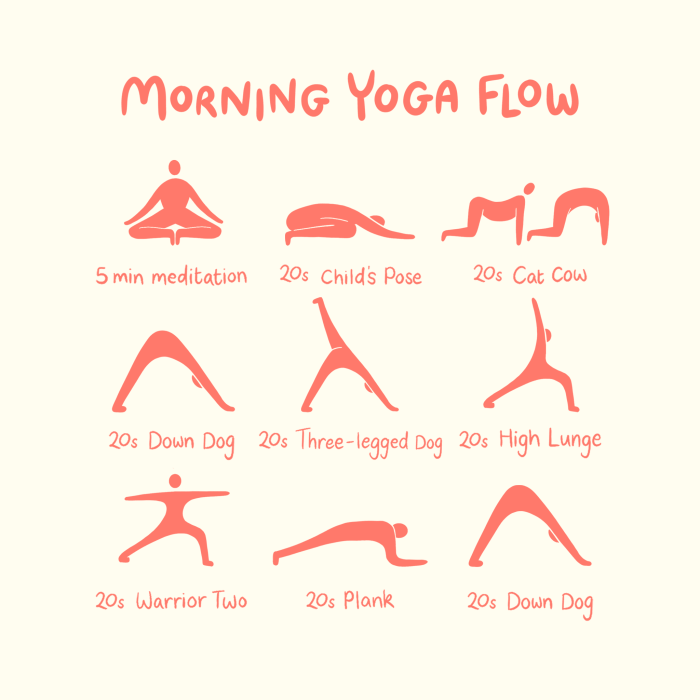
Starting your day with yoga can set a positive tone for the rest of the day. It helps to wake up your body, increase flexibility, and improve strength. Here are five beginner-friendly yoga poses that are perfect for mornings:
1. Mountain Pose (Tadasana)
- Stand tall with your feet together, arms at your sides.
- Take deep breaths and focus on grounding yourself.
- Benefits: Improves posture, strengthens thighs and ankles.
2. Cat-Cow Stretch (Marjaryasana-Bitilasana)
- Get on your hands and knees, arch your back while inhaling, and round your back while exhaling.
- Move with your breath in a fluid motion.
- Benefits: Increases spine flexibility, massages organs.
3. Downward-Facing Dog (Adho Mukha Svanasana)
- Start on your hands and knees, lift your hips up and back, forming an inverted V shape.
- Press your hands into the mat and lengthen your spine.
- Benefits: Stretches the entire body, strengthens arms and legs.
4. Warrior I (Virabhadrasana I)
- Step one foot back, bend the front knee, and raise your arms overhead.
- Square your hips forward and sink into a lunge position.
- Benefits: Builds strength in legs, opens hips and chest.
5. Child’s Pose (Balasana)
- Kneel on the floor, sit back on your heels, and stretch your arms forward.
- Rest your forehead on the mat and breathe deeply.
- Benefits: Relaxes the spine, hips, and thighs, calms the mind.
Stress Management
Yoga has long been recognized for its ability to reduce stress levels and promote overall well-being. The combination of physical postures, breathing exercises, and meditation in yoga helps to calm the mind and relax the body, making it an effective tool for stress management.
Role of Yoga in Reducing Stress Levels
- Yoga helps to lower cortisol levels, the stress hormone, in the body.
- Regular practice of yoga can improve relaxation response and reduce anxiety.
- Yoga promotes a sense of mindfulness, bringing awareness to the present moment and reducing stress related to past or future events.
How Yoga Promotes Relaxation and Mindfulness
- Yoga postures, such as child’s pose and savasana, help release tension and promote relaxation in the body.
- Deep breathing techniques used in yoga help to calm the nervous system and reduce stress.
- Mindfulness meditation in yoga encourages a focus on the present moment, letting go of worries and stressors.
Personal Experiences of Using Yoga for Stress Relief
- Practicing yoga in the morning sets a positive tone for the day and helps manage stress levels throughout the day.
- Yoga has provided a sense of calm and clarity during stressful situations, allowing for better decision-making.
- The combination of yoga postures and breathing exercises has been instrumental in reducing daily stress and promoting overall well-being.
Tips on Combining Breathing Exercises with Yoga for Stress Management
- Start your yoga practice with deep breathing exercises like pranayama to calm the mind and prepare the body for movement.
- Focus on the breath throughout your yoga practice to stay present and reduce stress levels.
- Incorporate breathwork into each yoga posture, syncing movement with breath to enhance relaxation and mindfulness.
Healthy Lifestyle
Best yoga poses for a morning fitness routine – Integrating yoga into a fitness routine is a key component of maintaining a healthy lifestyle. Yoga helps improve flexibility, strength, and balance, while also promoting relaxation and stress reduction.
Connection Between Mindfulness and Healthy Habits
Practicing mindfulness through yoga encourages individuals to be more present in their daily lives, making them more aware of their choices and behaviors. This heightened awareness can lead to better decision-making when it comes to diet, exercise, and overall well-being.
Maintaining a Balanced Lifestyle with Yoga
- Yoga helps individuals find balance in both their physical and mental well-being, creating a harmonious lifestyle.
- By incorporating yoga into a fitness routine, individuals can achieve a holistic approach to health, focusing on both the body and mind.
- Regular yoga practice can also help individuals manage stress and find a sense of inner peace, contributing to an overall balanced lifestyle.
Impact of Yoga on Mental and Physical Well-being
- Yoga has been shown to reduce anxiety, depression, and stress, promoting mental well-being.
- The physical benefits of yoga include improved flexibility, strength, and posture, leading to better overall physical health.
- By combining the mental and physical aspects of yoga, individuals can experience a comprehensive improvement in their well-being.
Medical Innovations: Best Yoga Poses For A Morning Fitness Routine

Medical professionals are increasingly incorporating yoga into their treatment plans due to its numerous health benefits. Research has shown that yoga can be a valuable tool in managing various medical conditions and promoting overall well-being. In many cases, yoga is used in conjunction with traditional medical treatments to enhance outcomes and improve patient quality of life.
Health Benefits of Yoga
- Improves flexibility and strength
- Reduces stress and anxiety levels
- Enhances respiratory function
- Promotes relaxation and better sleep
Yoga in Patient Care
-
Example 1:
Some hospitals offer yoga classes to patients as part of their treatment plans, particularly for those recovering from surgery or managing chronic pain.
-
Example 2:
Mental health facilities incorporate yoga sessions to help individuals cope with depression, PTSD, and other psychological disorders.
-
Example 3:
Cancer treatment centers utilize yoga to support patients during their healing process, helping to alleviate treatment side effects and improve overall well-being.
Nutritional Supplements
Regular yoga practice can have a significant influence on dietary choices. As individuals become more in tune with their bodies through yoga, they often develop a greater awareness of how different foods affect their energy levels, digestion, and overall well-being. This heightened awareness can lead to healthier food choices, such as incorporating more fruits, vegetables, whole grains, and lean proteins into their diets.
Importance of Proper Nutrition alongside a Yoga Routine
Maintaining a balanced and nutritious diet is essential when practicing yoga regularly. Proper nutrition provides the body with the necessary fuel to perform optimally during yoga sessions, aiding in muscle recovery and overall physical health. By fueling the body with nutrient-dense foods, individuals can enhance their yoga practice and experience increased energy levels and improved focus.
Yoga’s Impact on Nutrient Absorption, Best yoga poses for a morning fitness routine
Yoga can also enhance the absorption of nutrients in the body. Certain yoga poses, such as twists and forward bends, can help stimulate digestion and improve the assimilation of nutrients from food. Additionally, the relaxation and stress-reducing benefits of yoga can positively impact digestion and nutrient absorption by promoting a healthy gut environment.
Recommendations for Nutritional Supplements
- Probiotics: Probiotic supplements can support gut health, improve digestion, and enhance nutrient absorption.
- Omega-3 Fatty Acids: Omega-3 supplements can help reduce inflammation, support heart health, and aid in joint mobility, benefiting overall well-being.
- Vitamin D: Many individuals have deficiencies in vitamin D, which is crucial for bone health, immune function, and mood regulation. Vitamin D supplements can be beneficial, especially for those with limited sun exposure.
- Protein Powder: Protein supplements can help support muscle recovery and growth, making them ideal for individuals engaging in regular yoga practice.
Fitness Routine
When it comes to morning fitness routines, incorporating yoga can offer a unique blend of physical and mental benefits that set it apart from other forms of exercise. Let’s explore how yoga compares to other fitness routines, how it can improve overall fitness levels, tips for balancing it with other exercises, and the importance of consistency.
Effectiveness of Yoga vs. Other Morning Fitness Routines
While traditional workout routines focus primarily on physical strength and endurance, yoga combines strength, flexibility, and mindfulness to provide a holistic approach to fitness. Yoga not only helps build muscle and improve flexibility but also promotes mental clarity and relaxation.
How Yoga Improves Overall Fitness Levels
Yoga targets different muscle groups, improves balance, enhances flexibility, and promotes better posture. The practice of yoga also incorporates breathing techniques that can increase lung capacity and improve overall cardiovascular health. By consistently practicing yoga, individuals can see improvements in their strength, endurance, and overall well-being.
Tips for Balancing Yoga with Other Forms of Exercise
- Alternate days for different types of workouts to give your body time to recover.
- Combine yoga with cardio exercises like running or cycling to create a well-rounded fitness routine.
- Listent to your body and adjust the intensity of your workouts accordingly.
- Consider incorporating yoga as a warm-up or cool-down for other forms of exercise.
Importance of Consistency in a Morning Fitness Routine
Consistency is key to seeing progress in any fitness routine. By establishing a regular morning workout schedule, you can build healthy habits, improve your physical fitness, and boost your mental well-being. Whether you choose to focus on yoga, strength training, or cardio, sticking to a consistent routine will help you achieve your fitness goals.
Health Screenings
Regular yoga practice can have a positive impact on health screenings by promoting overall wellness and reducing the risk of certain health conditions. The mind-body connection fostered by yoga can help individuals become more attuned to their bodies, making them more likely to notice any changes or symptoms that may require medical attention.
Preventive Healthcare
Yoga plays a crucial role in preventive healthcare by promoting physical fitness, reducing stress, and improving overall mental well-being. By incorporating yoga into their daily routine, individuals can strengthen their immune system, lower blood pressure, and improve their cardiovascular health, all of which contribute to a healthier lifestyle and reduce the likelihood of developing chronic diseases.
- Regular blood pressure screenings are important for individuals practicing yoga, as yoga has been shown to lower blood pressure and reduce the risk of hypertension.
- Cholesterol screenings are also relevant for yoga enthusiasts, as yoga can help improve lipid profiles and reduce the risk of heart disease.
- Regular mental health screenings are essential for yoga practitioners, as yoga has been shown to reduce symptoms of depression, anxiety, and stress.
Staying Proactive
To stay proactive about health screenings, yoga enthusiasts should schedule regular check-ups with their healthcare provider, discuss their yoga practice and any health concerns they may have. It is also important to communicate any changes in physical or mental well-being to their healthcare provider to ensure early detection and prompt treatment of any health issues that may arise.
Disease Prevention
Yoga has been shown to play a crucial role in reducing the risk of chronic diseases. Studies have demonstrated that incorporating yoga into a regular fitness routine can have significant preventive benefits for various illnesses. By practicing specific yoga poses, individuals can target different aspects of their health and well-being, ultimately helping to prevent the onset of certain diseases.
Link Between Yoga and Disease Prevention
- Yoga has been linked to reducing inflammation in the body, which is a key factor in the development of chronic diseases such as heart disease, diabetes, and cancer.
- Regular yoga practice can help improve immune function, making individuals less susceptible to infections and illnesses.
- Yoga is also effective in reducing stress and anxiety, which are known risk factors for a wide range of health conditions.
Specific Yoga Poses for Disease Prevention
- Warrior II Pose: Strengthens the legs, improves circulation, and can help prevent osteoporosis.
- Bridge Pose: Stimulates the thyroid gland, boosts metabolism, and aids in preventing hormonal imbalances.
- Tree Pose: Enhances balance and focus, promoting overall mental and emotional well-being to prevent conditions like depression.
Diseases that Yoga Can Help Prevent
- Cardiovascular Disease: Yoga can lower blood pressure, cholesterol levels, and reduce the risk of heart-related issues.
- Type 2 Diabetes: Regular yoga practice can improve insulin sensitivity and promote weight management, reducing the risk of developing diabetes.
- Cancer: Some studies suggest that yoga can enhance the immune system and support the body’s natural defense mechanisms against cancer.
Sleep Hygiene
Yoga can play a crucial role in improving sleep quality by helping to relax the mind and body, reducing stress and anxiety, and promoting overall well-being. By incorporating yoga into your evening routine, you can create a calming environment that prepares you for a restful night’s sleep.
Bedtime Yoga Routine
- Start with gentle stretches to release tension in the body.
- Practice deep breathing exercises to calm the mind and reduce stress.
- Include poses like Child’s Pose, Legs-Up-The-Wall, and Savasana to promote relaxation.
- End with a short meditation to quiet the mind and prepare for sleep.
Connection Between Relaxation and Sleep
Yoga helps to activate the parasympathetic nervous system, also known as the “rest and digest” system, which can lead to improved sleep quality.
Tips for Better Sleep
- Try to establish a consistent bedtime routine that includes yoga and relaxation techniques.
- Avoid screens and stimulating activities before bed to promote relaxation.
- Create a calming environment in your bedroom with dim lighting and comfortable bedding.
- Listen to soothing music or guided meditation to help you unwind and prepare for sleep.
Mental Clarity
Yoga is not only beneficial for physical fitness but also plays a crucial role in enhancing mental clarity and focus. Through the practice of yoga, individuals can experience a sense of calmness and clarity in their minds, allowing them to focus better on tasks and make informed decisions.
Benefits of Mindfulness Practices in Yoga
- Mindfulness practices in yoga, such as focused breathing and meditation, help individuals become more aware of their thoughts and emotions, leading to improved mental well-being.
- By practicing mindfulness during yoga sessions, individuals can learn to let go of distractions and negative thoughts, promoting a clearer and more focused mind.
- Regular mindfulness practices in yoga can also reduce stress and anxiety levels, further enhancing mental clarity and overall cognitive function.
Relationship Between Yoga and Improved Cognitive Function
- Studies have shown that practicing yoga regularly can lead to improved cognitive function, including enhanced memory, concentration, and problem-solving skills.
- Yoga helps increase blood flow to the brain, providing it with the necessary oxygen and nutrients to function optimally, thereby boosting cognitive abilities.
- The combination of physical postures, breathing techniques, and mindfulness practices in yoga creates a holistic approach to improving cognitive function and mental clarity.
Hydration Importance
Staying hydrated is crucial for overall health and well-being, especially during a yoga practice. Proper hydration helps maintain the balance of fluids in your body, supports digestion, and aids in the transportation of nutrients.
Impact on Yoga Poses
- Hydration improves flexibility and joint mobility, making it easier to move through yoga poses with ease.
- Dehydration can lead to muscle cramps and fatigue, hindering your ability to hold poses and maintain proper form.
- Drinking enough water before and during your practice can enhance focus and concentration, allowing you to fully engage in each pose.
Tips for Maintaining Hydration Levels
- Carry a reusable water bottle with you throughout the day as a reminder to drink water regularly.
- Include hydrating foods in your diet, such as fruits and vegetables with high water content like watermelon, cucumber, and oranges.
- Avoid excessive consumption of caffeinated or sugary beverages as they can dehydrate the body.
Connection to Overall Well-being
- Proper hydration supports healthy skin, boosts energy levels, and helps regulate body temperature.
- Dehydration can lead to headaches, dizziness, and poor concentration, impacting your overall performance in yoga and daily activities.
- By staying hydrated, you can improve your mood, reduce stress, and enhance your overall sense of well-being.
Common Queries
Can yoga help improve flexibility and strength in the morning?
Yes, practicing yoga in the morning can gradually increase flexibility and strength over time with consistent practice.
How can beginners incorporate yoga into their morning routine?
Beginners can start with simple poses like Downward Dog or Child’s Pose and gradually build up their practice.
Is it necessary to do yoga every morning for fitness benefits?
While daily practice is beneficial, even a few sessions per week can lead to noticeable improvements in fitness and overall well-being.


More Stories
Boost Energy Levels: Top Healthy Habits
Stress Management: Preventing Chronic Diseases
Personalized Medicine: Transforming Cancer Treatment