How stress management techniques aid in chronic disease prevention is a topic that’s gaining increasing attention. Chronic stress can wreak havoc on our bodies, increasing the risk of developing serious health conditions. But the good news is that by learning and implementing effective stress management strategies, we can take proactive steps towards a healthier future.
This article explores the profound link between stress and chronic diseases, examining the physiological mechanisms involved. We’ll delve into a range of evidence-based stress management techniques, from mindfulness meditation to yoga, and discuss how these practices can help reduce stress levels and improve overall health.
Additionally, we’ll explore how stress management complements a healthy lifestyle, including the importance of regular exercise, a balanced diet, and adequate sleep. Finally, we’ll examine emerging medical innovations and nutritional supplements that can aid in stress management and disease prevention.
The Link Between Stress and Chronic Disease
Stress is a natural human response to challenging situations. However, chronic stress, which is prolonged and excessive, can have detrimental effects on our physical and mental well-being, significantly increasing the risk of developing chronic diseases.
The Physiological Mechanisms of Stress and Chronic Disease
Chronic stress triggers a cascade of physiological responses that can lead to the development of chronic diseases. The body’s stress response system, known as the hypothalamic-pituitary-adrenal (HPA) axis, releases hormones like cortisol, adrenaline, and noradrenaline. While these hormones are essential for short-term stress responses, their prolonged elevation due to chronic stress can disrupt various bodily functions.
- Increased inflammation:Chronic stress elevates cortisol levels, which can suppress the immune system and promote inflammation throughout the body. This chronic inflammation is a key factor in the development of many chronic diseases, such as heart disease, diabetes, and cancer.
- Elevated blood pressure and heart rate:The release of adrenaline and noradrenaline during chronic stress can lead to an increase in blood pressure and heart rate, putting extra strain on the cardiovascular system. This can contribute to the development of hypertension, heart disease, and stroke.
- Insulin resistance:Chronic stress can impair insulin sensitivity, leading to insulin resistance. Insulin resistance is a key factor in the development of type 2 diabetes.
- Altered gut microbiome:Chronic stress can disrupt the balance of bacteria in the gut, known as the microbiome. This imbalance can contribute to inflammation, metabolic disorders, and even mental health issues.
- Sleep disturbances:Chronic stress can lead to insomnia, sleep apnea, and other sleep disorders, which can further exacerbate stress and contribute to the development of chronic diseases.
Examples of Chronic Diseases Linked to Stress
Numerous chronic diseases have been strongly linked to chronic stress. These include:
- Cardiovascular disease:Chronic stress can increase the risk of heart disease, stroke, and high blood pressure. The constant release of stress hormones can damage blood vessels, leading to atherosclerosis (hardening of the arteries), which can ultimately lead to heart attacks and strokes.
- Diabetes:Chronic stress can contribute to the development of type 2 diabetes by impairing insulin sensitivity and increasing insulin resistance.
- Depression and anxiety:Chronic stress can trigger or worsen depression and anxiety disorders. These mental health conditions can further exacerbate stress, creating a vicious cycle.
- Gastrointestinal disorders:Chronic stress can contribute to digestive issues such as irritable bowel syndrome (IBS), ulcers, and inflammatory bowel disease (IBD).
- Autoimmune diseases:Chronic stress can weaken the immune system, making the body more susceptible to autoimmune diseases such as rheumatoid arthritis and lupus.
The Role of Cortisol in Chronic Disease Development
Cortisol, a key stress hormone, plays a significant role in the development of chronic diseases. While cortisol is essential for short-term stress responses, its prolonged elevation due to chronic stress can have detrimental effects on the body.
- Increased inflammation:Cortisol can suppress the immune system and promote inflammation, contributing to the development of chronic diseases.
- Insulin resistance:Cortisol can impair insulin sensitivity, leading to insulin resistance and increasing the risk of type 2 diabetes.
- Cardiovascular problems:Cortisol can increase blood pressure and heart rate, putting extra strain on the cardiovascular system and increasing the risk of heart disease and stroke.
- Cognitive decline:Chronic stress and high cortisol levels can impair cognitive function, leading to memory problems, difficulty concentrating, and increased risk of dementia.
Stress Management and Mental Clarity
Stress can have a profound impact on our mental clarity and cognitive function. When we’re stressed, our brains are flooded with hormones like cortisol, which can impair our ability to think clearly, focus, and make sound decisions. This can have far-reaching consequences for our work, relationships, and overall well-being.
Stress and Cognitive Function
Stress has a significant impact on memory, focus, and decision-making abilities. When we’re stressed, our brains are in a state of heightened alert, which can make it difficult to concentrate and retain information. This can lead to problems with short-term memory, difficulty remembering appointments or deadlines, and an inability to focus on tasks.
Stress can also impair our ability to make sound judgments, as our emotions can cloud our thinking.
- Memory:Chronic stress can lead to changes in the hippocampus, a brain region crucial for memory formation and retrieval. This can result in difficulty forming new memories, retrieving old memories, and even experiencing memory gaps.
- Focus:Stress can also interfere with our ability to focus and concentrate. Cortisol, the stress hormone, can disrupt the brain’s ability to filter out distractions, making it harder to stay on task. This can lead to decreased productivity, difficulty completing tasks, and feeling overwhelmed.
- Decision-Making:When we’re stressed, our judgment can be impaired, making it difficult to make sound decisions. Stress can lead to impulsive decisions, difficulty weighing options, and an increased likelihood of making mistakes.
Stress Management Techniques for Improved Mental Performance, How stress management techniques aid in chronic disease prevention
Fortunately, there are a number of stress management techniques that can help improve mental clarity and cognitive function. These techniques can help reduce the negative effects of stress on the brain, allowing us to think more clearly, focus better, and make more informed decisions.
- Mindfulness Meditation:Mindfulness meditation involves focusing on the present moment without judgment. Regular practice can help reduce stress, improve focus, and enhance cognitive function. Studies have shown that mindfulness meditation can increase gray matter in the brain, which is associated with better cognitive performance.
- Deep Breathing Exercises:Deep breathing exercises can help calm the nervous system and reduce stress. By taking slow, deep breaths, we can signal to our brains that we are safe and relaxed. This can help improve focus, reduce anxiety, and enhance cognitive function.
- Physical Activity:Regular exercise is a powerful stress reliever and can improve mental clarity. Exercise releases endorphins, which have mood-boosting effects and can help reduce stress hormones. Physical activity can also improve blood flow to the brain, which can enhance cognitive function.
- Adequate Sleep:Sleep is essential for cognitive function. When we’re sleep-deprived, our brains are unable to function optimally, leading to problems with memory, focus, and decision-making. Aim for 7-8 hours of quality sleep each night to improve mental clarity and cognitive performance.
Stress Management and Healthy Habits
Stress management techniques are most effective when integrated into a holistic approach that prioritizes healthy habits. These habits not only reduce stress levels but also promote overall well-being and decrease the risk of chronic diseases.
The Importance of Healthy Habits for Stress Management and Disease Prevention
Adopting healthy habits is crucial for stress management and disease prevention because they create a foundation for resilience, physical health, and mental clarity. When individuals engage in regular exercise, maintain a balanced diet, and prioritize sleep, their bodies are better equipped to cope with stress, reducing the risk of chronic conditions like heart disease, diabetes, and depression.
- Mindful Eating: Eating mindfully involves paying attention to the experience of eating, savoring each bite, and avoiding distractions. This practice can help individuals become more aware of their hunger and fullness cues, leading to healthier eating habits and reduced stress related to food choices.
- Regular Exercise: Physical activity releases endorphins, which have mood-boosting effects and help reduce stress levels. Regular exercise also improves sleep quality, reduces inflammation, and strengthens the cardiovascular system, all of which contribute to overall health and disease prevention.
- Social Connection: Strong social connections provide a sense of belonging, support, and purpose, all of which are essential for stress management. Spending time with loved ones, participating in social activities, and engaging in meaningful conversations can help reduce feelings of isolation and loneliness, which are often associated with increased stress and chronic disease risk.
Stress Management and Emotional Wellbeing
Stress has a profound impact on our emotional well-being, and this connection is crucial to understand in the context of chronic disease prevention. When we experience chronic stress, it can negatively affect our mood, increase anxiety and depression, and make it harder to cope with daily challenges.
These emotional imbalances can contribute to unhealthy behaviors like poor sleep, unhealthy eating, and substance abuse, all of which increase the risk of developing chronic diseases.
The Role of Stress Management in Emotional Resilience
Stress management techniques are not just about reducing stress levels; they are also about building emotional resilience. Resilience is the ability to bounce back from adversity and cope with life’s challenges effectively. By learning to manage stress, we develop coping mechanisms that allow us to navigate difficult situations without letting them overwhelm us emotionally.
This resilience is essential for maintaining emotional well-being and protecting ourselves from the negative impacts of chronic stress.
Strategies for Building Emotional Intelligence and Managing Stress Effectively
Emotional intelligence is the ability to understand and manage our own emotions and those of others. It plays a crucial role in effective stress management. Here are some strategies to enhance emotional intelligence and manage stress effectively:
- Mindfulness and Meditation:Mindfulness practices involve focusing on the present moment without judgment. Meditation helps to calm the mind, reduce stress hormones, and promote emotional regulation. Regular practice can improve emotional awareness and self-regulation.
- Cognitive Behavioral Therapy (CBT):CBT is a form of therapy that helps individuals identify and challenge negative thought patterns that contribute to stress and anxiety. It teaches coping mechanisms for managing stress and improving emotional well-being.
- Social Support:Strong social connections are vital for emotional well-being. Spending time with loved ones, engaging in social activities, and seeking support from friends and family can provide a buffer against stress and promote emotional resilience.
- Exercise and Physical Activity:Exercise has numerous benefits for both physical and mental health. It releases endorphins, which have mood-boosting effects, and helps to reduce stress hormones. Regular physical activity can improve sleep, reduce anxiety, and enhance emotional well-being.
- Healthy Diet and Lifestyle:Eating a balanced diet and maintaining a healthy lifestyle are essential for managing stress and promoting emotional well-being. Avoid excessive caffeine and alcohol, and ensure you are getting enough sleep. These habits contribute to a more balanced emotional state and reduce the risk of chronic diseases.
Stress Management and Healthy Aging
Stress management is crucial for healthy aging, as it can help reduce the risk of age-related diseases and promote overall well-being. Chronic stress can accelerate the aging process, leading to a decline in physical and cognitive function. By incorporating stress management techniques into a healthy aging plan, individuals can improve their quality of life and live longer, healthier lives.
The Impact of Stress on Aging
Stress has a profound impact on the aging process, both physically and mentally. When we experience stress, our bodies release hormones like cortisol, which can have both short-term and long-term effects. In the short term, cortisol can help us cope with challenging situations.
However, prolonged exposure to high levels of cortisol can lead to various health problems, including:
- Weakened immune system
- Increased risk of heart disease, stroke, and diabetes
- Cognitive decline and memory problems
- Accelerated aging of cells and tissues
- Increased inflammation throughout the body
These effects can contribute to a faster decline in physical and mental health, making individuals more susceptible to age-related diseases.
Stress Management Techniques for Healthy Aging
Stress management techniques can help mitigate the negative effects of stress on aging and promote healthy aging. Here are some effective techniques:
- Regular Exercise:Physical activity is a powerful stress reliever and can improve cardiovascular health, boost mood, and enhance sleep quality. Aim for at least 30 minutes of moderate-intensity exercise most days of the week.
- Mindfulness and Meditation:Mindfulness practices, such as meditation, can help calm the mind, reduce anxiety, and improve focus. Regular meditation can also help regulate the stress hormone cortisol and promote relaxation.
- Deep Breathing Exercises:Deep breathing exercises can help slow down the heart rate, lower blood pressure, and promote relaxation. Practice deep breathing techniques for a few minutes each day, especially when feeling stressed.
- Healthy Diet:A balanced diet rich in fruits, vegetables, and whole grains can provide the nutrients needed for optimal health and well-being. Avoid processed foods, sugary drinks, and excessive caffeine, as these can contribute to stress and anxiety.
- Quality Sleep:Getting enough sleep is essential for physical and mental health. Aim for 7-8 hours of quality sleep each night. Establish a regular sleep schedule, create a relaxing bedtime routine, and avoid screen time before bed.
- Social Connections:Strong social connections can provide support, reduce stress, and improve overall well-being. Make time for friends and family, join social groups, or volunteer in your community.
- Time Management:Effective time management can help reduce stress by creating a sense of control and reducing feelings of overwhelm. Prioritize tasks, break down large projects into smaller steps, and delegate tasks when possible.
- Stress-Reducing Activities:Engage in activities that you enjoy and find relaxing, such as listening to music, reading, spending time in nature, or pursuing hobbies.
Incorporating these stress management techniques into a healthy aging plan can help individuals age gracefully, reduce the risk of age-related diseases, and live longer, healthier lives.
Stress Management and Active Lifestyle
An active lifestyle is a crucial component of stress management and disease prevention. Regular physical activity not only helps to manage stress but also improves overall health and well-being.
Benefits of Physical Activity for Stress Management
Physical activity is a powerful stress reliever. When we exercise, our bodies release endorphins, which have mood-boosting effects. Exercise can also help to improve sleep quality, reduce anxiety, and enhance cognitive function, all of which contribute to better stress management.
Physical Activity and Improved Mood
Studies have consistently shown that exercise has a positive impact on mood. For example, a study published in the Journal of Happiness Studies found that people who engaged in regular physical activity reported higher levels of happiness and life satisfaction.
Incorporating Physical Activity into Daily Routine
There are many ways to incorporate physical activity into your daily routine, even if you have a busy schedule. Here are some ideas:
- Take the stairs instead of the elevator.
- Walk or bike to work or errands whenever possible.
- Join a gym or fitness class.
- Go for a walk or run in your neighborhood.
- Take a dance class or try yoga or Pilates.
Stress Management and Healthy Recipes: How Stress Management Techniques Aid In Chronic Disease Prevention
Stress can negatively impact our eating habits, often leading to cravings for comfort foods high in sugar, fat, and salt. These foods provide a temporary mood boost but contribute to long-term health problems. To combat stress and promote overall well-being, it’s essential to focus on a balanced diet rich in nutrient-dense foods.
The Benefits of Stress-Reducing Recipes
Stress-reducing recipes emphasize whole, unprocessed foods that nourish the body and mind. These recipes are typically rich in vitamins, minerals, antioxidants, and fiber, all of which play crucial roles in reducing stress and promoting mental clarity.
Stress-Reducing Recipes
These recipes offer a variety of flavors and textures to satisfy your taste buds while providing the nutrients your body needs to thrive.
- Salmon with Roasted Vegetables: Salmon is a rich source of omega-3 fatty acids, known for their mood-boosting properties. Roasting vegetables like broccoli, Brussels sprouts, and sweet potatoes provides a healthy dose of vitamins, minerals, and fiber. The combination of these ingredients offers a satisfying and nutritious meal that supports stress management.
- Lentil Soup: This hearty soup is packed with protein, fiber, and iron. Lentils are also a good source of folate, which is essential for brain function and mood regulation. The warm and comforting nature of soup can be soothing, especially during stressful times.
- Quinoa Salad with Grilled Chicken: Quinoa is a complete protein, meaning it contains all nine essential amino acids. This salad is also a good source of fiber, vitamins, and minerals. Grilled chicken provides lean protein, while the addition of fresh vegetables adds a burst of flavor and nutrients.
- Avocado Toast with Smoked Salmon: Avocado is rich in healthy fats, which can help regulate hormones and reduce stress. Smoked salmon provides protein and omega-3 fatty acids. This simple yet satisfying meal is a great option for a quick and nutritious breakfast or lunch.
- Chicken Stir-Fry with Brown Rice: Chicken stir-fry is a versatile dish that can be customized with your favorite vegetables. Brown rice provides complex carbohydrates for sustained energy. The combination of protein, fiber, and vitamins makes this a healthy and satisfying meal that can help reduce stress.
Incorporating Stress-Reducing Recipes into Your Diet
Incorporating these recipes into your regular diet can support a healthy lifestyle and reduce stress levels. Here are some tips:
- Plan Ahead: Take some time each week to plan your meals and create a grocery list. This will help you avoid impulsive food choices and ensure you have healthy ingredients on hand.
- Cook in Bulk: Prepare large batches of meals and freeze portions for later. This will save you time and effort during busy weeks.
- Get Creative: Experiment with different recipes and flavors to keep your meals interesting and prevent boredom. This can help you stay motivated to eat healthy.
- Share with Friends and Family: Cooking and sharing meals with loved ones can be a great way to reduce stress and strengthen relationships.
Stress Management and Mental Resilience
Mental resilience is the ability to bounce back from adversity, adapt to change, and maintain a positive outlook in the face of challenges. It’s crucial for managing stress and preventing chronic diseases because it helps us cope with stressors more effectively and maintain overall well-being.
How Stress Management Techniques Enhance Mental Resilience
Stress management techniques can significantly enhance mental resilience by promoting coping mechanisms and reducing the negative impact of stress on our mental and physical health. By learning to manage stress effectively, we can build resilience and better navigate the challenges of daily life.
- Mindfulness and Meditation:These practices help us become more aware of our thoughts and feelings, enabling us to observe them without judgment. This increased self-awareness allows us to manage stress more effectively and develop a more balanced perspective.
- Deep Breathing Exercises:Deep breathing techniques can help calm the nervous system, reduce anxiety, and promote relaxation. By practicing deep breathing regularly, we can train our bodies to respond to stress in a more balanced way.
- Physical Activity:Regular exercise has been shown to reduce stress levels, improve mood, and enhance cognitive function. Engaging in physical activity can help us release endorphins, which have mood-boosting effects and promote feelings of well-being.
- Social Support:Connecting with loved ones and seeking support from friends, family, or a therapist can provide emotional comfort and help us cope with stress. Having a strong social network can buffer the negative effects of stress and promote resilience.
- Cognitive Reframing:This technique involves changing our perspective on stressful situations by identifying negative thought patterns and replacing them with more positive and realistic ones. By reframing our thoughts, we can reduce the perceived threat of stress and develop a more resilient mindset.
Strategies for Building Mental Resilience
Building mental resilience is an ongoing process that requires consistent effort and practice. Here are some strategies to help you cultivate resilience and overcome adversity:
- Set Realistic Expectations:Avoid setting unrealistic goals or expectations for yourself, as this can lead to disappointment and increased stress. Break down large tasks into smaller, manageable steps to make them feel less overwhelming.
- Focus on the Present Moment:Instead of dwelling on past regrets or worrying about future uncertainties, focus on the present moment. Mindfulness practices can help you stay grounded and appreciate the beauty of the present.
- Develop a Growth Mindset:Embrace challenges as opportunities for learning and growth. View setbacks as temporary obstacles that can be overcome with effort and persistence.
- Practice Self-Compassion:Be kind and understanding towards yourself, especially during difficult times. Acknowledge your strengths and weaknesses without judgment, and treat yourself with the same compassion you would offer a loved one.
- Cultivate Gratitude:Make a conscious effort to appreciate the good things in your life. Gratitude can help shift your focus from negative experiences to positive ones, promoting a more optimistic outlook.
Stress Management and Immune Support
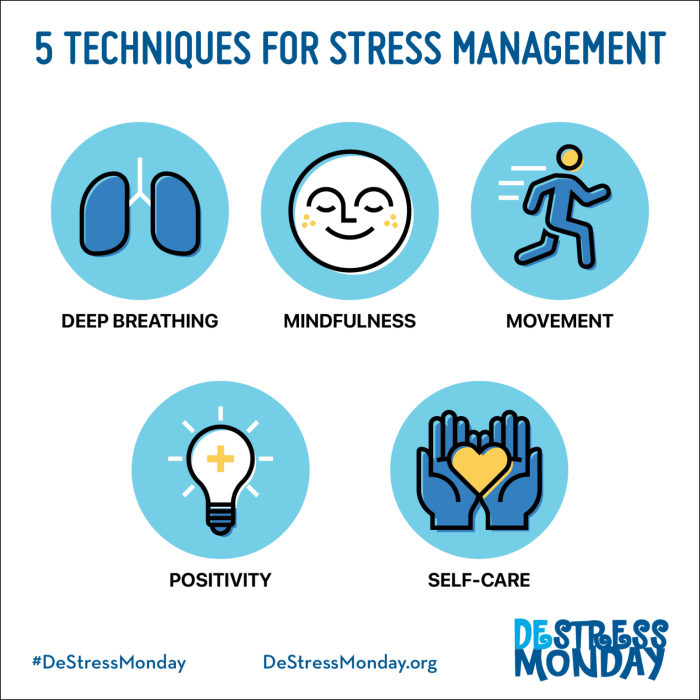
Stress can significantly impact our immune system, increasing our susceptibility to illness. When we’re stressed, our bodies release hormones like cortisol, which can suppress the immune system’s ability to fight off infections. Understanding this connection is crucial for preventing chronic diseases, as a weakened immune system can contribute to the development of various health issues.
Stress Management Techniques to Boost Immune Function
Stress management techniques play a vital role in strengthening the immune system and reducing our vulnerability to diseases. By effectively managing stress, we can regulate the release of cortisol and promote a balanced immune response. Here are some ways to incorporate stress management into a plan for boosting immune health:
- Mindfulness and Meditation:Practicing mindfulness and meditation can help calm the nervous system and reduce stress hormone levels. These techniques promote relaxation and focus, allowing the body to regain its natural equilibrium.
- Deep Breathing Exercises:Deep breathing exercises are a simple yet powerful way to reduce stress and improve immune function. Taking slow, deep breaths helps to oxygenate the blood and activate the parasympathetic nervous system, which promotes relaxation and reduces inflammation.
- Yoga and Tai Chi:These ancient practices combine physical movement with mindfulness, offering a holistic approach to stress management. Yoga postures and Tai Chi movements can improve flexibility, reduce muscle tension, and promote relaxation.
- Regular Exercise:Physical activity is essential for maintaining a healthy immune system. Exercise helps to regulate stress hormones, improve blood circulation, and boost the production of white blood cells, which are crucial for fighting infections.
- Adequate Sleep:Sleep is essential for immune function, as it allows the body to repair and regenerate. When we’re sleep-deprived, our immune system is weakened, making us more susceptible to illness.
- Healthy Diet:A balanced diet rich in fruits, vegetables, and whole grains provides the nutrients necessary for a strong immune system. Consuming foods rich in antioxidants and vitamins can help protect the body from damage caused by stress.
- Social Connection:Strong social connections can provide emotional support and reduce stress levels. Spending time with loved ones and engaging in meaningful relationships can help boost the immune system.
Stress Management and Stress Relief
Stress is a natural part of life, but when it becomes chronic, it can have a significant impact on your physical and mental health. Stress management techniques are essential for mitigating the negative effects of stress and promoting overall well-being.
Stress Relief Techniques
Stress relief techniques are strategies that can help you manage stress effectively. These techniques aim to calm your mind and body, reduce tension, and promote relaxation. Here are some effective stress relief techniques:
- Deep Breathing Exercises:Deep breathing exercises, such as diaphragmatic breathing, can help to slow your heart rate, lower blood pressure, and reduce muscle tension. By focusing on your breath, you can shift your attention away from stressful thoughts and promote relaxation.
- Progressive Muscle Relaxation:This technique involves tensing and releasing different muscle groups in your body. By consciously tensing and relaxing your muscles, you can release physical tension and promote a sense of calm.
- Meditation:Meditation involves focusing your attention on a single point, such as your breath or a mantra. Regular meditation can help to reduce stress, improve focus, and increase self-awareness.
- Yoga:Yoga combines physical postures, breathing techniques, and meditation. It can help to improve flexibility, strength, and balance, while also reducing stress and promoting relaxation.
- Mindfulness:Mindfulness involves paying attention to the present moment without judgment. It can help to reduce stress by allowing you to observe your thoughts and feelings without getting carried away by them.
- Spending Time in Nature:Spending time in nature has been shown to have a calming effect on the mind and body. The fresh air, sunlight, and natural sounds can help to reduce stress and promote relaxation.
- Physical Exercise:Regular physical exercise can help to release endorphins, which have mood-boosting effects. Exercise can also help to reduce stress hormones and improve sleep quality.
- Listening to Music:Listening to calming music can help to relax your mind and body. Music can also be used to evoke positive emotions and reduce stress.
- Spending Time with Loved Ones:Social connection is essential for well-being. Spending time with loved ones can help to reduce stress and promote feelings of happiness and support.
- Engaging in Hobbies:Engaging in hobbies that you enjoy can help to take your mind off of stressors and provide a sense of accomplishment.
- Getting Enough Sleep:Sleep deprivation can increase stress levels. Aim for 7-8 hours of quality sleep each night to help your body and mind recover from stress.
- Maintaining a Healthy Diet:A healthy diet can help to provide your body with the nutrients it needs to cope with stress. Avoid processed foods, sugary drinks, and excessive caffeine, which can exacerbate stress levels.
- Seeking Professional Help:If you are struggling to manage stress on your own, it is important to seek professional help. A therapist can provide you with tools and strategies to cope with stress effectively.
Benefits of Stress Relief Techniques
Stress relief techniques offer numerous benefits for both physical and mental health. By reducing stress, these techniques can:
- Improve Mood and Reduce Anxiety:Stress relief techniques can help to regulate mood, reduce anxiety, and promote feelings of calm and well-being.
- Enhance Sleep Quality:Stress can disrupt sleep patterns. Stress relief techniques can help to promote relaxation and improve sleep quality.
- Boost Immune Function:Chronic stress can weaken the immune system. Stress relief techniques can help to strengthen the immune system and reduce the risk of illness.
- Improve Focus and Concentration:Stress can impair cognitive function. Stress relief techniques can help to improve focus, concentration, and memory.
- Reduce Risk of Chronic Diseases:Chronic stress is linked to an increased risk of chronic diseases, such as heart disease, stroke, and diabetes. Stress relief techniques can help to reduce these risks.
- Promote Emotional Well-being:Stress relief techniques can help to develop emotional resilience and promote emotional well-being.
- Increase Energy Levels:Stress can deplete energy levels. Stress relief techniques can help to restore energy levels and improve overall vitality.
- Improve Relationships:Stress can negatively impact relationships. Stress relief techniques can help to improve communication, empathy, and understanding in relationships.
Incorporating Stress Relief Techniques into Your Daily Routine
Incorporating stress relief techniques into your daily routine can be a powerful way to manage stress effectively. Here are some tips:
- Start Small:Begin by incorporating one or two stress relief techniques into your daily routine. Gradually add more techniques as you become more comfortable with them.
- Be Consistent:The benefits of stress relief techniques are cumulative. Make a commitment to practicing these techniques regularly, even for short periods.
- Find What Works for You:There is no one-size-fits-all approach to stress relief. Experiment with different techniques until you find what works best for you.
- Make It a Habit:Integrate stress relief techniques into your daily routine, just like brushing your teeth or taking a shower.
- Be Patient:It takes time to develop new habits and see the benefits of stress relief techniques. Be patient with yourself and keep practicing.
- Seek Support:Share your goals with friends, family, or a therapist for support and encouragement.
Last Recap
In conclusion, mastering stress management is a powerful tool in the fight against chronic diseases. By understanding the intricate relationship between stress and health, and by embracing a holistic approach that includes stress reduction techniques, healthy lifestyle choices, and medical innovations, we can empower ourselves to live longer, healthier lives.
FAQ Explained
What are some common signs of chronic stress?
Common signs of chronic stress include fatigue, difficulty concentrating, irritability, changes in appetite, sleep disturbances, muscle tension, and headaches.
How can I tell if my stress is impacting my health?
If you’re experiencing frequent or persistent stress symptoms, it’s essential to consult with a healthcare professional. They can assess your individual situation and recommend appropriate strategies for managing stress and improving your overall health.
What are some simple stress management techniques I can try at home?
Simple stress management techniques include deep breathing exercises, progressive muscle relaxation, listening to calming music, spending time in nature, and engaging in hobbies you enjoy.


More Stories
Boost Energy Levels: Top Healthy Habits
Personalized Medicine: Transforming Cancer Treatment
Develop a Personalized Stress Management Plan for Daily Life