How medical innovations in personalized medicine are transforming cancer treatment is a story of remarkable progress and hope. Gone are the days of one-size-fits-all approaches to cancer care. Today, doctors are using cutting-edge technologies to understand the unique genetic and molecular makeup of each patient’s tumor, leading to more targeted and effective therapies.
This personalized approach not only improves treatment outcomes but also minimizes side effects, enhancing patients’ quality of life. From genomics and immunotherapy to advanced imaging and artificial intelligence, a revolution is underway in cancer care, and personalized medicine is at the forefront.
Key Innovations Driving Personalized Medicine
The field of personalized medicine, also known as precision medicine, has revolutionized cancer treatment by moving away from a one-size-fits-all approach to a more tailored and targeted strategy. This shift is driven by a confluence of key technological advancements that enable doctors to understand the unique characteristics of each patient’s cancer and tailor treatment accordingly.
The Role of Genomics in Tailoring Cancer Treatments
Genomics, the study of an organism’s complete set of genes and their interactions, has been instrumental in advancing personalized medicine. Understanding the genetic makeup of a tumor allows doctors to identify specific mutations that drive cancer growth. These mutations can then be targeted with therapies designed to inhibit their activity, leading to more effective and less toxic treatment.
“Genomics provides a blueprint of the cancer, allowing us to understand its vulnerabilities and tailor treatments accordingly.”
Genomic analysis can also help predict a patient’s response to different therapies, enabling doctors to choose the most effective treatment option upfront. This is particularly crucial in the case of certain types of cancer where different patients respond differently to the same treatment.
Impact of Immunotherapy and Targeted Therapies in Personalized Cancer Care
Immunotherapy and targeted therapies are two key examples of how personalized medicine is transforming cancer treatment.
Immunotherapy
Immunotherapy harnesses the power of the immune system to fight cancer. It works by boosting the body’s natural defenses against cancer cells. There are different types of immunotherapy, including checkpoint inhibitors and CAR T-cell therapy, each with its own mechanism of action.
- Checkpoint inhibitorswork by releasing the brakes on the immune system, allowing it to attack cancer cells more effectively.
- CAR T-cell therapyinvolves genetically modifying a patient’s immune cells (T cells) to recognize and attack cancer cells. This therapy has shown remarkable success in treating certain types of blood cancers.
Targeted Therapies
Targeted therapies are designed to specifically target the molecules that drive cancer growth, leaving healthy cells relatively unaffected. These therapies are often more effective than traditional chemotherapy, which can have severe side effects.
- Small molecule inhibitorsblock the activity of specific proteins involved in cancer cell growth and survival.
- Monoclonal antibodiesare designed to target specific proteins on the surface of cancer cells, leading to their destruction or inhibition of their growth.
The success of immunotherapy and targeted therapies is a testament to the power of personalized medicine. By understanding the unique characteristics of each patient’s cancer, doctors can select the most effective treatment option, leading to better outcomes and improved quality of life for patients.
Benefits of Personalized Medicine in Cancer Treatment
Personalized medicine, also known as precision medicine, is revolutionizing cancer treatment by tailoring therapies to the unique characteristics of each patient’s cancer. This approach not only enhances treatment effectiveness but also minimizes side effects, leading to improved patient outcomes and quality of life.
Improved Treatment Effectiveness
Personalized medicine empowers healthcare providers to make more informed treatment decisions by identifying the most effective therapies for each individual patient. This is achieved by analyzing a patient’s genetic makeup, tumor characteristics, and other relevant factors.
- Targeted Therapies:Personalized medicine enables the development of targeted therapies that specifically attack cancer cells while minimizing harm to healthy cells. This approach has significantly improved treatment outcomes for various cancers, such as breast cancer, lung cancer, and leukemia. For example, Herceptin, a targeted therapy for HER2-positive breast cancer, has revolutionized treatment for this specific type of cancer, significantly improving survival rates.
- Immunotherapy:Personalized medicine has advanced immunotherapy, a treatment approach that harnesses the body’s immune system to fight cancer. By identifying specific cancer-associated antigens, immunotherapy can be tailored to target and destroy cancer cells while preserving healthy cells. For example, CAR T-cell therapy, a type of immunotherapy, involves modifying a patient’s T cells to recognize and attack cancer cells.
This approach has shown remarkable success in treating certain types of leukemia and lymphoma, offering hope for patients who previously had limited treatment options.
Reduced Side Effects
Traditional cancer treatments often have significant side effects, impacting patients’ quality of life. Personalized medicine helps minimize these side effects by customizing treatment regimens based on individual patient characteristics.
- Chemotherapy:Personalized medicine allows for the selection of chemotherapy drugs and dosages that are most likely to be effective while minimizing the risk of severe side effects. This approach is particularly important for patients with specific genetic predispositions to certain side effects, such as neuropathy or heart damage.
- Radiation Therapy:Personalized medicine enables the precise delivery of radiation therapy to target cancerous tissues while sparing surrounding healthy tissues. This approach reduces the risk of radiation-induced side effects, such as skin damage, fatigue, and nausea.
Improved Patient Outcomes and Quality of Life
The benefits of personalized medicine extend beyond treatment effectiveness and side effect reduction. Personalized medicine has a profound impact on patient outcomes and quality of life.
- Increased Survival Rates:Personalized medicine has contributed to significant improvements in survival rates for many types of cancer. This is due to the development of more effective and targeted treatments that are tailored to each patient’s unique cancer characteristics.
- Enhanced Quality of Life:Personalized medicine allows patients to receive treatment regimens that are more tolerable and less disruptive to their daily lives. This improves their overall quality of life, allowing them to maintain their independence and engage in meaningful activities.
Challenges and Considerations in Personalized Medicine
While personalized medicine holds immense promise for revolutionizing cancer treatment, it also presents several challenges and ethical considerations that need careful attention. These challenges are multifaceted, ranging from the cost and accessibility of these advanced treatments to the ethical implications of using genetic information in healthcare.
Ethical Considerations in Personalized Medicine
The use of genetic information in personalized medicine raises ethical concerns that need careful consideration. Ethical considerations are crucial to ensure that these advancements benefit patients without compromising their rights and privacy.
- Privacy and Confidentiality: Personalized medicine relies heavily on genetic data, which raises concerns about patient privacy and data security. Strict measures are necessary to protect this sensitive information from unauthorized access and misuse.
- Informed Consent: Patients must be fully informed about the potential benefits and risks of personalized medicine before consenting to genetic testing and treatment. Clear and concise communication is essential to ensure informed decision-making.
- Genetic Discrimination: There are concerns that genetic information could be used for discriminatory purposes, such as denying insurance coverage or employment opportunities. Robust legal frameworks are needed to prevent such discrimination.
- Equity and Access: Personalized medicine is often expensive, which raises concerns about equity and access. Ensuring that these treatments are available to all patients, regardless of their socioeconomic status, is crucial to realizing the full potential of personalized medicine.
Cost and Accessibility of Personalized Cancer Treatments
The cost of personalized cancer treatments can be a significant barrier to access, particularly for patients with limited financial resources.
- High Costs of Testing and Treatment: Personalized medicine often involves expensive genetic testing and targeted therapies, which can be unaffordable for many patients.
- Insurance Coverage: The coverage of personalized medicine by insurance companies can vary widely, with some plans offering limited or no coverage for these treatments.
- Financial Burden: The high cost of personalized cancer treatments can place a significant financial burden on patients and their families, potentially leading to delayed or forgone treatment.
The Future of Personalized Medicine in Cancer Care
Despite the challenges, personalized medicine holds great promise for transforming cancer care.
- Advancements in Technology: Continued advancements in technology, such as artificial intelligence and big data analytics, are expected to further enhance personalized medicine by enabling more precise diagnoses, targeted therapies, and improved treatment outcomes.
- Increased Research and Development: Ongoing research and development efforts are focused on identifying new biomarkers, developing more effective targeted therapies, and exploring innovative approaches to personalized cancer care.
- Improved Patient Outcomes: The personalized approach to cancer treatment is expected to lead to improved patient outcomes, including increased survival rates, reduced side effects, and better quality of life.
The Role of Technology in Personalized Medicine: How Medical Innovations In Personalized Medicine Are Transforming Cancer Treatment
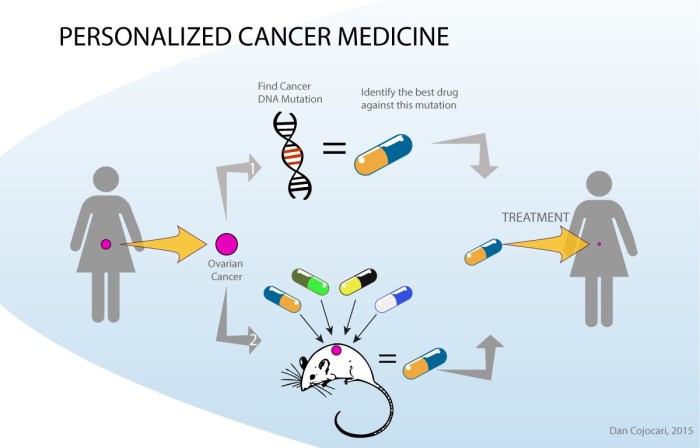
Technology plays a pivotal role in driving the advancement of personalized medicine, especially in cancer treatment. It enables healthcare professionals to gather detailed patient information, analyze complex data, and develop highly tailored treatment plans.
Advanced Imaging Techniques
Advanced imaging techniques, such as PET scans and MRI, provide detailed insights into the structure and function of a patient’s body, allowing for more accurate diagnosis and staging of cancer.
- PET scansuse radioactive tracers to detect metabolic activity in cells, helping to identify cancerous tumors and monitor their response to treatment. For example, PET scans can help determine the extent of a tumor’s spread, which can influence treatment decisions.
- MRIuses magnetic fields and radio waves to create detailed images of organs and tissues, providing valuable information about the size, shape, and location of tumors. This information can be used to guide surgical procedures and radiation therapy.
Big Data and Artificial Intelligence, How medical innovations in personalized medicine are transforming cancer treatment
The increasing availability of patient data, combined with advancements in artificial intelligence (AI), has revolutionized the analysis and interpretation of medical information.
- Big data analyticsinvolves collecting and analyzing large datasets from various sources, including medical records, genomic data, and clinical trials. This allows researchers to identify patterns and trends that can lead to new discoveries and personalized treatment strategies.
- AI algorithmscan analyze vast amounts of data to identify specific genetic mutations, predict treatment responses, and even personalize dosages for individual patients. For example, AI-powered tools can help predict the likelihood of a patient’s cancer recurring, allowing for early interventions and improved outcomes.
Wearable Technology and Mobile Apps
Wearable technology and mobile apps are empowering patients in their cancer journey by providing them with real-time health data and tools for self-management.
- Smartwatches and fitness trackerscan monitor heart rate, sleep patterns, and activity levels, providing valuable insights into a patient’s overall health and well-being. This information can be used to identify potential side effects of treatment or track progress towards recovery goals.
- Mobile appsoffer a range of features, including medication reminders, symptom tracking, and access to support groups and online communities. These apps can help patients stay organized, informed, and connected throughout their cancer journey.
Personalized Medicine and the Future of Cancer Care
Personalized medicine, with its focus on tailoring treatment to individual patients, is poised to revolutionize cancer care. By leveraging advancements in genomics, proteomics, and other technologies, personalized medicine offers a more precise and effective approach to cancer treatment, leading to improved outcomes and a better quality of life for patients.
The Potential of Genetic Engineering and Gene Therapy
Genetic engineering and gene therapy hold immense promise for personalized cancer care. These technologies allow for the manipulation of genes to either correct genetic defects that contribute to cancer development or to enhance the body’s natural defenses against cancer.
- Gene Editing:CRISPR-Cas9 technology allows for precise modifications to DNA sequences, enabling the correction of faulty genes associated with cancer. This approach could potentially prevent cancer development or enhance the effectiveness of existing therapies.
- CAR T-cell Therapy:This revolutionary treatment involves extracting a patient’s T-cells, genetically modifying them to target specific cancer cells, and reinfusing them back into the patient. CAR T-cell therapy has shown remarkable success in treating certain types of leukemia and lymphoma.
- Viral Vector-based Gene Therapy:This approach utilizes viruses as carriers to deliver therapeutic genes to cancer cells. Viral vectors can be engineered to target specific cancer cells, delivering genes that suppress tumor growth or enhance the immune system’s ability to fight cancer.
Ethical Considerations in Personalized Medicine
While personalized medicine offers significant benefits, it also raises ethical considerations. The use of genetic information in healthcare can lead to privacy concerns and potential discrimination. Additionally, the high cost of personalized treatments can create disparities in access to care, potentially exacerbating existing health inequalities.
- Data Privacy:The collection and use of genetic information must be handled with utmost care to protect patient privacy. Robust data security measures and informed consent procedures are essential to ensure responsible use of genetic data.
- Equity and Access:Personalized medicine’s high cost can limit access for individuals with limited financial resources. Efforts to reduce the cost of personalized treatments and expand insurance coverage are crucial to ensure equitable access to these life-saving therapies.
- Informed Consent:Patients must be fully informed about the potential benefits and risks of personalized medicine before making treatment decisions. This includes understanding the limitations of genetic testing and the potential for false-positive or false-negative results.
Stress Management and Healthy Lifestyle
In the realm of personalized medicine, where treatments are tailored to an individual’s unique genetic makeup and lifestyle, the importance of stress management and a healthy lifestyle cannot be overstated. These factors play a significant role in preventing and managing cancer, enhancing the effectiveness of treatment, and improving overall well-being.
Stress Management Techniques and Healthy Lifestyle Practices
Stress management and healthy lifestyle practices are intertwined, with each influencing the other. By incorporating these techniques into daily life, individuals can bolster their resilience against cancer and improve their quality of life.
| Stress Management Techniques | Benefits | Healthy Lifestyle Practices | Benefits |
|---|---|---|---|
| Mindfulness Meditation | Reduces stress, anxiety, and depression; improves sleep quality; enhances focus and concentration; promotes emotional regulation | Regular Exercise | Reduces stress, anxiety, and depression; improves sleep quality; boosts energy levels; strengthens the immune system; reduces the risk of chronic diseases |
| Deep Breathing Exercises | Calms the nervous system; reduces heart rate and blood pressure; promotes relaxation and reduces muscle tension | Balanced Diet | Provides essential nutrients for optimal health; supports immune function; reduces inflammation; promotes healthy weight management |
| Yoga and Tai Chi | Combines physical movement with mindfulness; reduces stress, anxiety, and depression; improves flexibility and balance; strengthens the body and mind | Adequate Sleep | Restores energy levels; supports immune function; improves mood; enhances cognitive function; promotes healthy hormone regulation |
| Progressive Muscle Relaxation | Reduces muscle tension; promotes relaxation and reduces stress; improves sleep quality | Social Connections | Provides emotional support; reduces stress and isolation; promotes feelings of belonging and purpose |
| Cognitive Behavioral Therapy (CBT) | Identifies and challenges negative thoughts and behaviors; develops coping mechanisms for stress and anxiety; improves emotional regulation | Avoiding Tobacco and Excessive Alcohol | Reduces the risk of cancer and other chronic diseases; improves overall health and well-being |
Mental Clarity and Emotional Wellbeing
A cancer diagnosis can be overwhelming, causing a whirlwind of emotions, anxieties, and uncertainties. Navigating this journey requires more than just medical treatment; it demands mental strength and emotional resilience. Mental clarity and emotional wellbeing play a crucial role in empowering individuals to cope with the challenges of cancer and maintain a sense of control amidst uncertainty.
Benefits of Mindfulness Practices, Meditation, and Therapy
Mindfulness practices, meditation, and therapy offer valuable tools for managing stress and anxiety associated with cancer. These practices help individuals cultivate a greater sense of awareness, acceptance, and self-compassion, fostering emotional stability and resilience.
- Mindfulnessinvolves focusing on the present moment without judgment, allowing individuals to observe their thoughts and feelings without getting swept away by them. This practice helps reduce rumination, improve emotional regulation, and enhance coping skills.
- Meditation, a form of mindfulness practice, involves focusing on a specific object, thought, or activity, such as breathing or a mantra. Regular meditation has been shown to reduce stress, anxiety, and depression, promoting a sense of calm and inner peace.
- Therapyprovides a safe and supportive space for individuals to process their emotions, explore coping mechanisms, and develop strategies for managing stress and anxiety. Therapists can offer guidance, support, and tools to help individuals navigate the emotional challenges of cancer.
Active Lifestyle and Cardiovascular Health
Staying active is crucial for cancer patients, not only for physical well-being but also for its positive impact on cardiovascular health and overall recovery. An active lifestyle can help improve cardiovascular health and reduce the risk of cancer recurrence.
The Benefits of Exercise for Cancer Patients
Regular exercise offers a range of benefits for cancer patients, including:
- Improved Cardiovascular Health:Exercise strengthens the heart and improves blood circulation, reducing the risk of heart disease, a common concern for cancer patients.
- Reduced Risk of Cancer Recurrence:Studies have shown that regular physical activity can help reduce the risk of cancer recurrence in various types of cancer.
- Improved Physical Function:Exercise helps maintain muscle mass and strength, improving mobility and overall physical function, which can be affected by cancer treatment.
- Enhanced Mood and Well-being:Exercise releases endorphins, which have mood-boosting effects and can help reduce stress and anxiety, common side effects of cancer treatment.
- Improved Sleep Quality:Regular physical activity can improve sleep quality, which is essential for recovery and overall well-being.
How Exercise Improves Cardiovascular Health
Exercise improves cardiovascular health by:
- Strengthening the Heart Muscle:Exercise makes the heart work harder, leading to a stronger heart muscle that pumps blood more efficiently.
- Lowering Blood Pressure:Regular physical activity can help lower blood pressure, reducing the risk of heart disease.
- Improving Blood Cholesterol Levels:Exercise can help lower bad cholesterol (LDL) and raise good cholesterol (HDL), further reducing the risk of heart disease.
- Improving Blood Sugar Control:Exercise helps regulate blood sugar levels, reducing the risk of type 2 diabetes, a condition that can increase the risk of heart disease.
Tips for Incorporating Physical Activity into a Cancer Treatment Plan
It’s important to discuss exercise with your doctor or a qualified healthcare professional before starting any new exercise program, especially if you’re undergoing cancer treatment. Here are some tips for incorporating physical activity into a cancer treatment plan:
- Start Gradually:Begin with short sessions of low-intensity exercise and gradually increase the duration and intensity as your body adapts.
- Listen to Your Body:Pay attention to your body’s signals and rest when needed. Avoid pushing yourself too hard, especially during treatment.
- Choose Activities You Enjoy:Engaging in activities you enjoy can make exercise more enjoyable and sustainable.
- Find a Support System:Exercise with a friend or join a support group for cancer survivors to stay motivated and accountable.
- Set Realistic Goals:Start with small, achievable goals and gradually increase them as you progress.
Healthy Aging and Disease Prevention
Healthy aging is an integral part of reducing the risk of cancer and other chronic diseases. It’s about maintaining a good quality of life as we age, minimizing the impact of age-related changes, and maximizing our chances of living longer and healthier lives.
The Importance of Healthy Aging in Cancer Prevention
Maintaining a healthy lifestyle can significantly lower the risk of developing cancer. Several factors contribute to this, including:
- Reduced inflammation:Chronic inflammation is linked to an increased risk of various cancers. Healthy aging practices like a balanced diet and regular exercise can help reduce inflammation in the body.
- Improved immune function:A strong immune system is crucial for fighting off cancer cells. Healthy aging strategies like adequate sleep and stress management can bolster the immune system.
- Hormonal balance:Hormonal imbalances can increase cancer risk. Maintaining a healthy weight and engaging in regular physical activity can help regulate hormones.
Strategies for Healthy Aging and Disease Prevention
Adopting healthy lifestyle habits can promote healthy aging and reduce the risk of cancer and other chronic diseases. Here are some key strategies:
- Balanced diet:A diet rich in fruits, vegetables, whole grains, and lean protein can provide essential nutrients and antioxidants that protect against cell damage. Limiting processed foods, sugary drinks, and red meat can further reduce cancer risk.
- Regular exercise:Physical activity helps maintain a healthy weight, strengthens the immune system, and reduces inflammation. Aim for at least 150 minutes of moderate-intensity aerobic activity or 75 minutes of vigorous-intensity aerobic activity per week.
- Adequate sleep:Sleep is essential for cell repair and immune function. Aim for 7-9 hours of quality sleep each night.
- Stress management:Chronic stress can weaken the immune system and increase inflammation. Find healthy ways to manage stress, such as yoga, meditation, or spending time in nature.
- Regular medical checkups:Routine screenings and checkups can help detect cancer and other diseases early, when they are most treatable.
- Avoid smoking and excessive alcohol consumption:These habits significantly increase the risk of various cancers.
Closing Summary
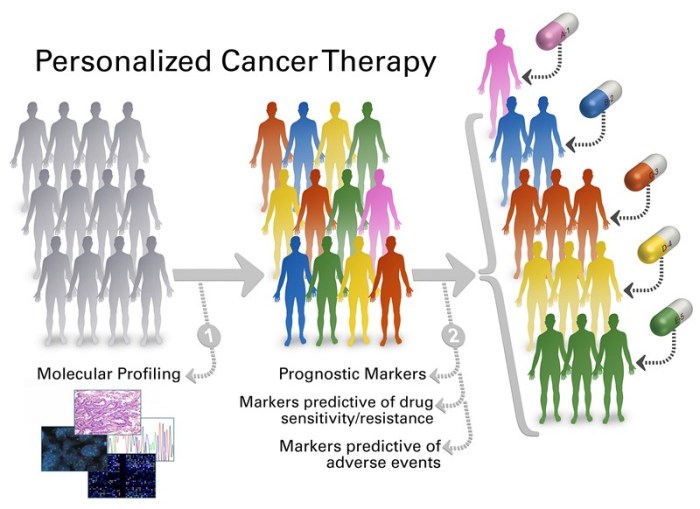
The future of cancer treatment is bright, thanks to the power of personalized medicine. As we continue to unlock the secrets of the human genome and develop new technologies, we can expect even more targeted and effective therapies, leading to better outcomes for cancer patients.
Personalized medicine is not just about treating cancer; it’s about empowering patients and giving them the best possible chance for a long and healthy life.
FAQ Insights
What are some examples of personalized cancer treatments?
Personalized cancer treatments can include targeted therapies that specifically attack the mutated genes driving a patient’s cancer, immunotherapy that boosts the body’s immune system to fight cancer cells, and even gene editing techniques that directly modify cancer cells.
How does personalized medicine impact cancer research?
Personalized medicine accelerates cancer research by providing a wealth of data about individual tumors, allowing scientists to identify new targets for therapies and develop more effective treatments.
What are the ethical considerations of personalized medicine?
Ethical considerations include ensuring equitable access to personalized therapies, protecting patient privacy, and addressing potential disparities in care based on factors like socioeconomic status.


More Stories
Boost Energy Levels: Top Healthy Habits
Stress Management: Preventing Chronic Diseases
Develop a Personalized Stress Management Plan for Daily Life