Stress Management Techniques for Depression
Stress management techniques for depression – Managing stress is crucial in reducing the symptoms of depression as stress can exacerbate negative feelings and emotions. By implementing effective stress management techniques, individuals dealing with depression can experience improved mental well-being and overall quality of life.
Examples of Effective Stress Management Techniques
- Regular Exercise: Engaging in physical activity releases endorphins, which are known to boost mood and reduce stress levels.
- Deep Breathing Exercises: Deep breathing techniques can help calm the mind and body, reducing feelings of anxiety and stress.
- Journaling: Writing down thoughts and feelings can provide a sense of release and help individuals process and manage their emotions.
- Healthy Coping Mechanisms: Finding healthy ways to cope with stress such as meditation, hobbies, or spending time with loved ones can be beneficial.
Role of Mindfulness Practices in Stress Management
Mindfulness practices, such as meditation and yoga, can help individuals with depression become more aware of their thoughts and emotions. By practicing mindfulness, individuals can learn to observe their feelings without judgment, reducing reactivity and promoting a sense of calm.
Role of Cognitive-Behavioral Therapy (CBT) in Stress Management
Cognitive-Behavioral Therapy (CBT) is a therapeutic approach that focuses on changing negative thought patterns and behaviors. By identifying and challenging negative beliefs, individuals can learn new coping strategies to manage stress effectively. CBT can help individuals with depression develop healthier ways of thinking and responding to stressors.
Healthy Lifestyle Choices for Mental Health
Living a healthy lifestyle can have a significant impact on mental health, including reducing stress and improving overall mood. By incorporating physical activity, proper nutrition, and relaxation techniques into daily routines, individuals can effectively manage symptoms of depression.
Physical Activity for Stress Reduction
Regular physical activity is essential for reducing stress and enhancing mood. Exercise releases endorphins, which are known as the body’s natural stress relievers. Integrating activities such as walking, jogging, yoga, or dancing into daily routines can help alleviate symptoms of depression and promote overall well-being.
Nutrition for Mental Health
The impact of nutrition on mental health is significant. Consuming a balanced diet rich in fruits, vegetables, whole grains, lean proteins, and healthy fats can support stress management. Foods high in sugar and processed ingredients should be limited, as they can negatively affect mood and energy levels.
Relaxation Techniques for Alleviating Symptoms of Depression
Practicing relaxation techniques can help reduce symptoms of depression and improve mental well-being. Techniques such as deep breathing exercises, meditation, mindfulness, and progressive muscle relaxation can promote relaxation, reduce stress, and enhance emotional stability.
Medical Innovations in Stress Management
As technology continues to advance, new medical innovations are being developed to help individuals manage stress, especially those dealing with depression. These cutting-edge tools and treatments offer promising solutions for improving mental health and well-being.
Role of Telemedicine and Digital Platforms
Telemedicine and digital platforms play a crucial role in providing mental health support and stress management tools to individuals with depression. Through virtual consultations, therapy sessions, and online resources, individuals can access professional help and guidance from the comfort of their own homes.
Wearable Devices and Apps for Stress Management
- Wearable devices and apps are becoming increasingly popular for tracking and managing stress levels effectively. These tools can monitor heart rate, sleep patterns, and physical activity to provide insights on stress triggers and patterns.
- By analyzing this data, individuals can better understand their stress levels and take proactive steps to manage and reduce stress in their daily lives.
Emerging Therapies and Interventions
- There are several emerging therapies and interventions that show promise in addressing stress and depression. These may include innovative treatments such as ketamine therapy, transcranial magnetic stimulation (TMS), and psychedelic-assisted therapy.
- These new approaches offer alternative options for individuals who may not have responded well to traditional treatments, providing hope for improved outcomes and better mental health.
Nutritional Supplements for Stress Relief
When it comes to managing stress and improving mood, nutritional supplements can play a vital role in supporting mental well-being. Certain vitamins, minerals, and herbal supplements have been linked to reducing stress levels and enhancing overall mental health.
Key Nutritional Supplements for Stress Relief
- Omega-3 fatty acids: Found in fish oil supplements, omega-3s have been shown to reduce anxiety and improve mood by supporting brain function.
- Vitamin B complex: B vitamins, such as B6, B9 (folic acid), and B12, are essential for neurotransmitter function and can help regulate mood.
- Magnesium: This mineral plays a key role in the body’s stress response and can help relax muscles and calm the nervous system.
Benefits of Nutritional Supplements for Mental Well-Being, Stress management techniques for depression
- Improving overall mood and reducing feelings of anxiety and depression.
- Supporting brain function and neurotransmitter production for better mental clarity.
- Enhancing resilience to stress and promoting a sense of calm and relaxation.
Safe Usage of Nutritional Supplements
It is important to consult with a healthcare provider before starting any new supplement regimen, especially if you are already taking medications. Follow recommended dosages and guidelines to ensure safe and effective use of nutritional supplements.
Research Supporting Nutritional Supplements for Stress Management
One study published in the Journal of Affective Disorders found that omega-3 fatty acid supplementation was associated with a reduction in symptoms of depression and anxiety.
Research conducted at the University of Maryland Medical Center suggests that magnesium supplements may help reduce stress and improve overall mood.
Fitness Routine and Stress Reduction
Regular exercise plays a crucial role in reducing stress levels, especially in individuals dealing with depression. Physical activity helps in releasing endorphins, also known as “feel-good” hormones, which can improve mood and reduce feelings of anxiety and stress.
Types of Fitness Activities for Stress Management
- Cardiovascular exercises like running, cycling, or swimming can help in boosting energy levels and reducing stress.
- Yoga and Pilates focus on mindfulness, breathing techniques, and stretching, promoting relaxation and stress relief.
- Strength training exercises improve overall physical health and can also enhance mental well-being by boosting self-esteem.
- Dancing is a fun way to stay active and can act as a form of self-expression, relieving stress and improving mood.
Importance of Consistency and Variety in Fitness Routine
Consistency in following a fitness routine is key to experiencing long-term stress management benefits. Regular exercise helps in regulating stress hormones and promoting better sleep patterns. Introducing variety in your workouts prevents boredom and keeps you motivated to stay active, leading to improved mental health outcomes.
Tips for Creating a Personalized Fitness Plan
- Assess your current fitness level and set realistic goals based on your physical abilities and preferences.
- Choose activities that you enjoy to make exercise a rewarding experience rather than a chore.
- Include a mix of cardiovascular, strength training, and flexibility exercises to target different aspects of physical and mental well-being.
- Consult with a fitness professional or therapist to tailor a fitness plan that aligns with your mental health needs and supports your overall well-being.
Importance of Health Screenings for Mental Well-being
Regular health screenings play a crucial role in maintaining mental well-being by identifying underlying conditions that may contribute to stress and depression. These screenings help in early detection, leading to timely interventions and better management of mental health challenges.
Common Mental Health Screenings and Assessments
- Depression and Anxiety Assessments: These screenings can help in identifying symptoms of depression, anxiety disorders, and other mood disorders.
- Stress Level Evaluations: Assessments to measure stress levels and identify triggers that may be contributing to mental health issues.
- Substance Abuse Screenings: Screening for substance use disorders that may be exacerbating mental health conditions.
- Post-Traumatic Stress Disorder (PTSD) Assessments: Screenings to detect symptoms of PTSD in individuals who have experienced trauma.
Benefits of Early Detection through Screenings
- Timely Interventions: Early detection allows for prompt interventions, such as therapy, medication, or lifestyle changes, to address mental health concerns.
- Prevention of Escalation: By identifying mental health issues early on, screenings can prevent the escalation of symptoms and improve overall well-being.
- Improved Quality of Life: Effective management of mental health conditions through early detection can lead to a better quality of life for individuals.
Finding Reputable Healthcare Providers for Screenings
- Consult with Primary Care Physicians: Primary care doctors can provide referrals to mental health professionals for screenings and evaluations.
- Community Mental Health Centers: Local mental health centers often offer screening services and can connect individuals with appropriate resources.
- Online Resources: Websites of reputable mental health organizations can provide information on finding qualified healthcare providers for screenings.
Disease Prevention Strategies for Stress Management
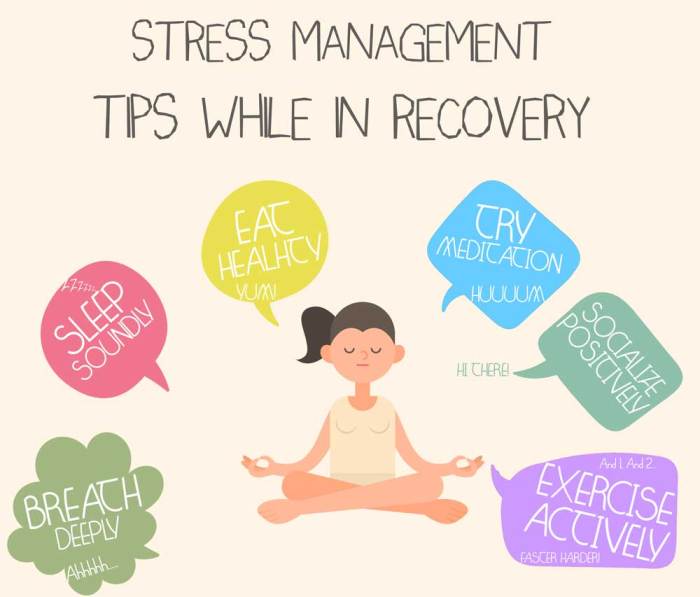
Stress and depression can often be exacerbated by underlying health conditions. Implementing disease prevention strategies can play a crucial role in managing stress and promoting mental well-being.
Impact of Chronic Conditions on Mental Health
Chronic conditions such as diabetes, heart disease, and autoimmune disorders can significantly impact mental health by increasing stress levels and contributing to feelings of depression. It is essential to address these underlying health issues to support overall well-being.
- Regular health screenings and check-ups can help in early detection and management of chronic conditions, reducing the risk of complications.
- Maintaining a healthy lifestyle through regular exercise, balanced diet, and adequate sleep can also help prevent the development of chronic diseases.
- Engaging in stress-reducing activities such as yoga, meditation, and mindfulness can complement disease prevention efforts and support mental wellness.
Community Programs for Disease Prevention
Community-based initiatives play a vital role in promoting disease prevention and overall health. These programs aim to educate individuals about the importance of preventive measures and provide access to resources for better health outcomes.
For example, community health fairs offering free screenings for blood pressure, cholesterol levels, and blood sugar can help individuals monitor their health status and take proactive steps towards disease prevention.
- Collaborations with local healthcare providers and organizations can facilitate the implementation of preventive health measures and promote a culture of wellness within the community.
- Educational workshops on nutrition, exercise, and disease prevention strategies can empower individuals to make informed choices for their health and well-being.
- Support groups and counseling services can provide emotional support and guidance for individuals dealing with chronic conditions and mental health challenges.
Interplay between Physical Health and Mental Wellness
The connection between physical health, disease prevention, and mental wellness is intricate and essential for effective stress management.
By prioritizing preventive healthcare measures and adopting healthy lifestyle practices, individuals can reduce the likelihood of developing chronic conditions that may exacerbate stress and depression.
- Regular exercise not only improves physical health but also boosts mood and reduces stress levels, contributing to overall mental well-being.
- Proper nutrition plays a key role in disease prevention and mental wellness, providing the necessary nutrients for optimal brain function and emotional regulation.
- Seeking professional guidance and support for disease prevention strategies can help individuals create personalized plans to address their unique health needs and minimize stressors.
Sleep Hygiene Practices for Stress Relief: Stress Management Techniques For Depression
Good sleep hygiene plays a crucial role in managing stress levels and promoting mental clarity. By establishing healthy bedtime routines and creating a sleep-friendly environment, individuals can improve their quality of sleep, which in turn can help reduce stress and enhance overall well-being.
Creating a Sleep-Friendly Environment
When it comes to setting up a sleep-friendly environment, consider factors such as room temperature, lighting, noise levels, and the comfort of your mattress and pillows. These elements can significantly impact the quality of your sleep and contribute to stress relief.
Establishing Healthy Bedtime Routines
Developing a consistent bedtime routine can signal to your body that it’s time to wind down and prepare for sleep. Activities such as reading, taking a warm bath, or practicing relaxation techniques can help promote relaxation and improve sleep quality.
Impact of Poor Sleep Quality on Mood and Cognitive Function
Poor sleep quality can have a profound impact on mood and cognitive function, especially for individuals dealing with depression. Lack of restful sleep can exacerbate symptoms of depression, leading to increased stress levels and reduced mental clarity.
Relaxation Techniques and Mindfulness Practices
Engaging in relaxation techniques such as deep breathing, progressive muscle relaxation, or mindfulness meditation can help improve sleep hygiene and reduce stress. These practices can calm the mind and body, making it easier to fall asleep and stay asleep throughout the night.
Mental Clarity and Cognitive Function
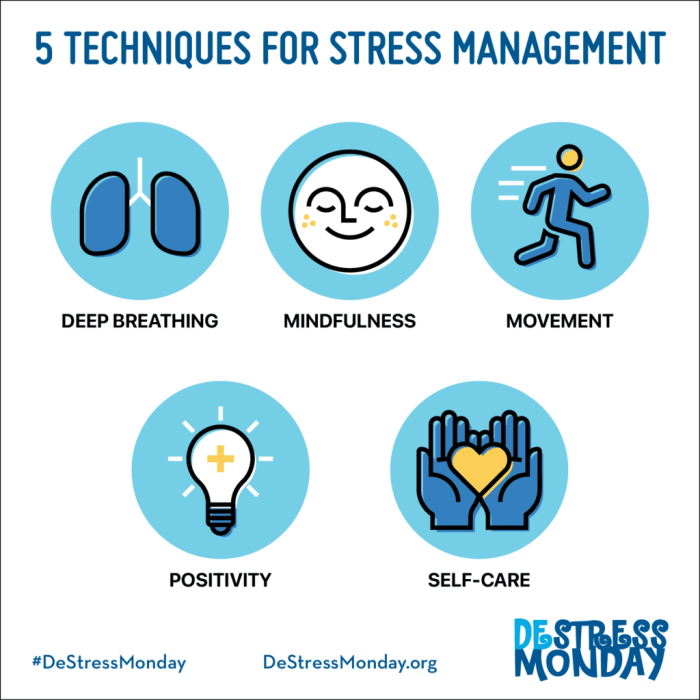
Stress management plays a crucial role in maintaining mental clarity and cognitive function, especially for individuals dealing with depression. The impact of stress on cognitive processes such as decision-making, memory, and focus can be profound, leading to difficulties in daily functioning and overall well-being.
Enhancing Mental Clarity Through Stress-Reducing Activities
- Engaging in relaxation techniques like deep breathing, meditation, or yoga can help reduce stress levels and improve mental clarity.
- Regular physical exercise has been shown to boost cognitive function and enhance focus, making it an essential component of stress management for mental clarity.
- Spending time in nature, practicing mindfulness, or engaging in hobbies that bring joy and relaxation can also contribute to reducing stress and enhancing cognitive function.
Cognitive Exercises for Improved Mental Clarity
- Brain training activities, such as puzzles, crosswords, or memory games, can help sharpen cognitive skills and maintain mental clarity.
- Reading, learning new skills, or engaging in creative pursuits can stimulate the brain and promote mental acuity, even in times of stress.
- Practicing mindfulness and staying present in the moment can help reduce cognitive overload and improve focus and decision-making abilities.
Tools and Techniques for Maintaining Mental Clarity Amidst Stress
- Utilizing organizational tools like planners, to-do lists, or digital apps can help manage stress and maintain mental clarity by keeping tasks and responsibilities in order.
- Setting boundaries, practicing self-care, and seeking support from loved ones or mental health professionals are essential tools for coping with stress and preserving cognitive function.
- Adopting a healthy lifestyle, including balanced nutrition, regular sleep patterns, and adequate hydration, can support brain health and cognitive function, even during challenging times.
Hydration Importance for Mental and Physical Health
Staying hydrated is crucial for maintaining both mental and physical well-being. Proper hydration plays a significant role in managing stress levels and promoting overall mental health.
Significance of Hydration for Mental Well-being
Dehydration can have a negative impact on mood, cognition, and mental health. When the body lacks an adequate amount of water, it can lead to feelings of fatigue, irritability, and difficulty concentrating. These symptoms can exacerbate stress and anxiety levels, making it essential to prioritize hydration for optimal mental function.
Recommended Daily Water Intake and Hydration Tips
- It is generally recommended to drink at least 8-10 cups of water per day to maintain proper hydration levels.
- For individuals looking to enhance their stress management strategies, carrying a reusable water bottle and setting reminders to drink water throughout the day can be helpful.
- Including hydrating foods such as fruits and vegetables in your diet can also contribute to overall hydration.
Beverages and Hydration Practices for Stress Reduction
- Herbal teas like chamomile or green tea can have calming effects on the mind and body, aiding in stress reduction.
- Coconut water is a natural electrolyte-rich beverage that can help replenish fluids and support cognitive function.
- Incorporating a hydrating routine such as starting the day with a glass of water or sipping water during work breaks can assist in maintaining hydration levels for improved mental clarity.
FAQ Overview
How can stress management techniques improve symptoms of depression?
By implementing effective stress management strategies, individuals can reduce the impact of stress on their mental health, leading to improved symptoms of depression.
What role does cognitive-behavioral therapy play in stress management for depression?
Cognitive-behavioral therapy (CBT) helps individuals identify and change negative thought patterns, leading to better stress management and coping mechanisms for depression.
Are there specific relaxation techniques recommended for individuals with depression?
Yes, relaxation techniques such as deep breathing, progressive muscle relaxation, and visualization can be beneficial for individuals managing depression and stress.


More Stories
Mental clarity and stress management techniques – Enhancing well-being through mindfulness
Importance of sleep for mental clarity: Enhancing cognitive function through quality rest
Benefits of dental health screenings: Improving Overall Wellness Through Oral Care