Importance of Hydration for Children
Importance of hydration for children – Proper hydration is crucial for children’s overall health and well-being. Water plays a vital role in various bodily functions, including regulating body temperature, aiding digestion, and transporting nutrients and oxygen to cells.
Signs of Dehydration in Children
It’s important for parents to be aware of the signs of dehydration in children, which may include:
- Dry mouth and lips
- Dark yellow urine
- Fatigue or irritability
- Dizziness or lightheadedness
- Decreased urine output
Impact of Dehydration on Physical and Cognitive Performance
Dehydration can have a significant impact on children’s physical and cognitive performance. When children are dehydrated, they may experience decreased energy levels, difficulty concentrating, and impaired memory function. Inadequate hydration can also affect their athletic performance and overall well-being.
Recommended Daily Water Intake for Children, Importance of hydration for children
It’s essential for children to consume an adequate amount of water daily to stay hydrated. The recommended daily water intake for children varies based on age:
| Age Group | Recommended Daily Water Intake |
|---|---|
| 1-3 years | 4 cups (32 ounces) |
| 4-8 years | 5 cups (40 ounces) |
| 9-13 years | 7-8 cups (56-64 ounces) |
| 14-18 years | 8-11 cups (64-88 ounces) |
Stress Management
Proper hydration plays a crucial role in managing stress levels in children. Dehydration can exacerbate feelings of stress and anxiety, making it essential for parents to ensure their children are adequately hydrated throughout the day.
Link between Dehydration and Increased Stress Levels
Dehydration can lead to physical symptoms such as headaches, fatigue, and irritability, which can all contribute to increased stress levels in children. When the body lacks proper hydration, it can impact cognitive function and mood regulation, making children more susceptible to stressors in their environment.
- Dehydration affects the body’s ability to regulate cortisol levels, a hormone associated with stress. When cortisol levels are imbalanced due to dehydration, children may experience heightened stress responses.
- Research has shown that even mild dehydration can impair cognitive performance and increase feelings of anxiety and tension in children.
- Children who are dehydrated may also have difficulty concentrating, problem-solving, and managing their emotions, all of which can lead to heightened stress levels.
Strategies for Parents to Help Children Manage Stress through Proper Hydration
Parents can take proactive steps to ensure their children stay hydrated and effectively manage stress:
- Encourage children to drink water regularly throughout the day, especially during physical activity or when exposed to hot weather.
- Provide children with a reusable water bottle to carry with them and make hydration easily accessible.
- Offer hydrating snacks such as fruits and vegetables that have high water content to supplement water intake.
- Set an example by prioritizing hydration in your own daily routine and emphasizing its importance to your children.
- Monitor signs of dehydration, such as dark urine, dry lips, and increased thirst, and intervene promptly to rehydrate your child.
Healthy Lifestyle
Adequate hydration plays a crucial role in promoting a healthy lifestyle for children. It is essential for overall well-being and proper development.
Importance of Hydration in Children
- Hydration helps in maintaining the body’s temperature, transporting nutrients, and flushing out toxins.
- Children need to stay hydrated to support cognitive function, physical performance, and overall health.
Tips for Incorporating Hydration into a Child’s Daily Routine
- Encourage children to drink water throughout the day, especially before and after physical activities.
- Include hydrating foods like fruits, vegetables, and soups in their meals and snacks.
- Use fun and colorful water bottles to make hydration more appealing for children.
- Set reminders or establish a routine to ensure they are drinking an adequate amount of water daily.
Connection Between Hydration and Healthy Eating Habits
- Hydration and healthy eating habits go hand in hand to ensure children are getting the nutrients they need for growth and development.
- Encourage a balanced diet rich in fruits, vegetables, whole grains, and lean proteins to support hydration and overall health.
- Limit sugary drinks and opt for water or unsweetened beverages to promote a healthy relationship with hydration and food.
Medical Innovations
With the advancement of medical technology, there have been several innovations related to children’s hydration that have revolutionized the way healthcare professionals monitor and address hydration issues in children.
Smart Hydration Monitoring Devices
Technological advancements have led to the development of smart hydration monitoring devices that help track children’s hydration levels in real-time. These wearable devices use sensors to measure hydration markers in the body, providing valuable data for healthcare professionals to assess and manage hydration status.
Hydration Tracking Apps
Healthcare professionals now have access to hydration tracking apps that allow parents to input their child’s fluid intake and output, as well as physical activity levels. These apps provide insights into hydration patterns and help identify any potential dehydration risks early on.
Innovative IV Therapy Solutions
In cases where children require immediate hydration intervention, healthcare professionals have access to innovative IV therapy solutions that deliver fluids and electrolytes directly into the bloodstream. These solutions are tailored to meet the specific hydration needs of children, ensuring quick and effective rehydration.
Nutritional Supplements
Nutritional supplements play a crucial role in maintaining children’s hydration, especially in cases where their diet may not provide all the necessary nutrients. They can help replenish essential vitamins and minerals that support overall health and hydration levels.
Electrolyte Supplements for Children
Electrolyte supplements are specifically designed to replenish important minerals like sodium, potassium, and magnesium that are lost through sweat during physical activity or illnesses. These supplements help restore electrolyte balance in the body, ensuring proper hydration and preventing dehydration in children.
- Electrolyte supplements are particularly beneficial for children who are active in sports or physical activities that cause them to sweat excessively.
- They can also be useful during times of illness, such as vomiting or diarrhea, when the body loses electrolytes rapidly.
- Parents should consult with a healthcare provider or pediatrician before giving electrolyte supplements to children, especially if there are underlying health conditions or concerns.
Fitness Routine
Hydration plays a crucial role in a child’s physical activity and fitness routine. Proper hydration ensures that children can perform at their best and maintain good health while engaging in exercise.
Tips for Staying Hydrated During Exercise
- Encourage children to drink water before starting any physical activity to ensure they are well hydrated from the beginning.
- Provide access to water or sports drinks during exercise to replenish fluids lost through sweating.
- Remind children to continue drinking water after their workout to rehydrate and recover.
Enhancing Performance with Proper Hydration
Proper hydration can significantly enhance children’s performance during physical activities. When children are well hydrated, they have more energy, better endurance, and improved focus, allowing them to push themselves further and achieve their fitness goals.
Health Screenings
Regular health screenings play a crucial role in assessing children’s hydration status and overall well-being. By monitoring hydration levels through these screenings, healthcare providers can identify any hydration-related issues early on and take necessary steps to address them.
Importance of Health Screenings
- Health screenings help in evaluating a child’s hydration status by measuring factors like urine concentration, electrolyte levels, and overall fluid intake.
- Early detection of dehydration or overhydration can prevent potential health complications and ensure proper hydration management.
- Health screenings also provide valuable insights into a child’s overall health, allowing healthcare providers to tailor recommendations for hydration and dietary adjustments accordingly.
Recommended Frequency of Health Screenings
- Health screenings to monitor children’s hydration levels should ideally be conducted during routine well-child visits with their pediatrician.
- For most children, annual health check-ups that include hydration assessments are sufficient to track changes in hydration status over time.
- In cases where a child has a history of hydration-related issues or chronic conditions impacting fluid balance, more frequent health screenings may be recommended by healthcare providers.
Disease Prevention
Hydration is a crucial factor in preventing diseases among children. Ensuring that kids stay hydrated can have a significant impact on their overall health and well-being.
Impact of Hydration on Specific Diseases
Proper hydration can help prevent various diseases and conditions in children. Here are some specific examples:
- 1. Urinary Tract Infections (UTIs): Adequate hydration can help flush out bacteria from the urinary tract, reducing the risk of UTIs.
- 2. Constipation: Drinking enough water can soften stools and prevent constipation in children.
- 3. Kidney Stones: Hydration plays a key role in preventing the formation of kidney stones by diluting the substances that lead to their development.
- 4. Heat-related Illnesses: Proper hydration is essential in preventing heat exhaustion and heat stroke, especially during hot weather or physical activity.
Preventive Measures for Parents
Parents can take proactive steps to ensure their children stay hydrated and healthy. Here are some preventive measures to consider:
- Encourage Regular Water Intake: Make sure your child drinks water throughout the day, especially during and after physical activity.
- Limit Sugary Drinks: Reduce the consumption of sugary beverages and opt for water as the primary source of hydration.
- Pack Water Bottles: Provide your child with a reusable water bottle to take to school or activities, promoting regular hydration.
- Monitor Hydration Levels: Pay attention to signs of dehydration, such as dark urine or dry lips, and encourage more water intake.
Sleep Hygiene
Hydration plays a crucial role in children’s sleep quality and overall sleep hygiene. Dehydration can lead to sleep disturbances, making it essential to promote proper hydration habits for better sleep.
Impact of Hydration on Children’s Sleep Quality
Proper hydration is essential for maintaining the body’s internal balance, including regulating sleep patterns. Dehydration can disrupt the body’s ability to regulate temperature and hormone levels, impacting the quality of sleep children get.
- Encourage children to drink water throughout the day to stay hydrated.
- Avoid excessive consumption of sugary drinks, as they can lead to dehydration.
- Offer water-rich foods like fruits and vegetables to help maintain hydration levels.
- Establish a bedtime routine that includes a glass of water to promote hydration before sleep.
Connection Between Dehydration and Sleep Disturbances in Children
Dehydration can result in symptoms like dry mouth, headache, and fatigue, which can affect a child’s ability to fall asleep and stay asleep throughout the night. It is important to address dehydration to ensure children have a restful night’s sleep.
- Monitor children’s water intake and encourage them to drink water even when they are not feeling thirsty.
- Educate children on the importance of hydration for overall health, including sleep quality.
- Limit caffeine intake, as it can contribute to dehydration and disrupt sleep patterns.
- Consult a healthcare provider if you suspect chronic dehydration is affecting your child’s sleep.
Mental Clarity
Maintaining proper hydration is crucial for children’s mental clarity, focus, and cognitive function. Dehydration can have a significant impact on their ability to concentrate and perform well academically.
Influence of Hydration on Mental Clarity
- Poor hydration levels can lead to decreased cognitive function in children, affecting their ability to focus and retain information.
- Even mild dehydration can result in reduced alertness, poor memory recall, and slower processing speed, all of which are essential for learning and academic performance.
- Research has shown that children who are adequately hydrated tend to perform better in tasks that require mental focus and concentration.
Effects of Dehydration on Children’s Concentration
- Dehydration can cause children to feel fatigued, irritable, and have difficulty staying alert in class, leading to a decline in their academic performance.
- Lack of proper hydration can also result in headaches, dizziness, and overall cognitive impairment, hindering their ability to process information effectively.
- Children who do not drink enough water throughout the day may struggle to concentrate, solve problems, and engage actively in learning activities.
Importance of Proper Hydration for Optimal Mental Clarity
- Encouraging children to drink an adequate amount of water daily can significantly improve their cognitive function, attention span, and overall mental clarity.
- Providing access to water throughout the day, especially during school hours, can help children stay hydrated and maintain optimal brain function.
- By emphasizing the importance of hydration, parents and educators can support children in achieving better academic outcomes and overall cognitive performance.
Hydration Importance
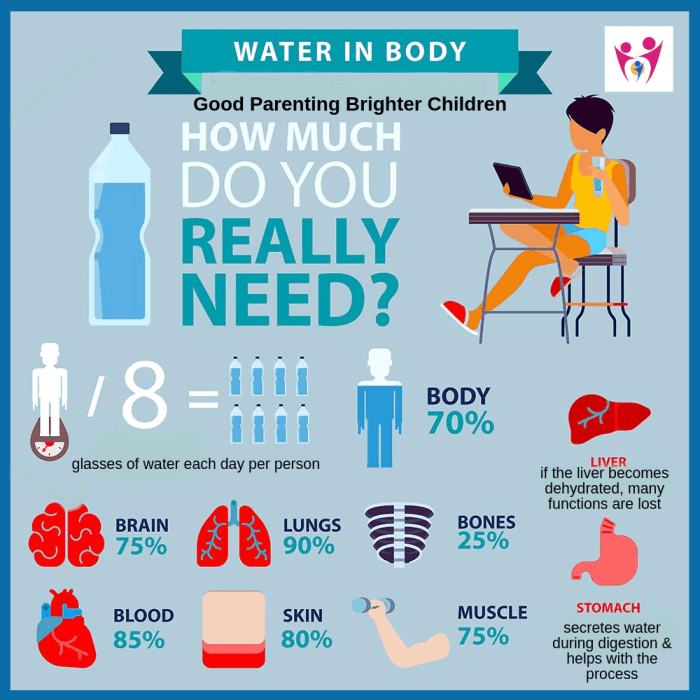
Proper hydration is crucial for children’s overall health and well-being. It plays a key role in maintaining bodily functions, supporting growth and development, and regulating body temperature.
Hydration Needs of Children vs. Adults
Children have higher water requirements compared to adults due to their smaller body size and higher metabolic rate. It is recommended that children aged 4-8 years old consume about 5 cups of water daily, while older children and teens should aim for 7-8 cups per day. In contrast, adult men are advised to drink about 13 cups of water daily, while adult women should aim for around 9 cups.
Common Misconceptions and Addressing Them
– Misconception: Children only need to drink water when they are thirsty.
Fact: Thirst is not always a reliable indicator of hydration status in children. Encouraging regular water intake throughout the day is essential to prevent dehydration.
– Misconception: Children can meet their hydration needs through sugary drinks like soda or fruit juice.
Fact: While these beverages may provide some fluids, they are often high in sugar and can lead to negative health effects. Water is the best choice for hydration.
– Misconception: Children do not need to drink water during physical activity.
Fact: Staying hydrated during exercise is crucial for children to replace lost fluids and maintain performance. Encourage children to drink water before, during, and after physical activity.
FAQ Guide
What are some signs of dehydration in children?
Common signs include dry mouth, dark yellow urine, fatigue, irritability, and dizziness.
How much water should children drink daily?
The recommended daily water intake for children varies by age, but generally, they should drink about 6-8 cups of water a day.
Are there any specific diseases influenced by hydration levels in children?
Dehydration can exacerbate conditions like urinary tract infections and kidney stones in children.


More Stories