Incorporating Bodyweight Exercises into Fitness Routines
How to incorporate bodyweight exercises into fitness routines – Bodyweight exercises are a fantastic way to improve strength, flexibility, and overall fitness without the need for any equipment. They can be easily incorporated into your fitness routine and offer a wide range of benefits.
Benefits of Bodyweight Exercises for Fitness
- Bodyweight exercises can be done anywhere, making them convenient for those with busy schedules or limited access to a gym.
- They help improve functional strength by engaging multiple muscle groups at once.
- Bodyweight exercises can help improve balance, coordination, and flexibility.
- They are beginner-friendly and can be modified to suit different fitness levels.
Common Bodyweight Exercises
- Squats
- Push-ups
- Planks
- Lunges
- Mountain climbers
Modifying Bodyweight Exercises
It’s important to modify bodyweight exercises to match your fitness level to prevent injury and ensure progress. Here are some tips:
- Decrease or increase range of motion based on your strength and flexibility.
- Adjust the number of repetitions and sets to challenge yourself appropriately.
- Use support or assistance (like a chair or resistance bands) to make exercises easier or harder.
Importance of Proper Form
Proper form is crucial when performing bodyweight exercises to prevent injury and maximize effectiveness. Focus on:
- Keeping your core engaged and maintaining a neutral spine.
- Avoiding jerky movements and controlling the exercise throughout the full range of motion.
- Listening to your body and stopping if you feel pain or discomfort.
Stress Management
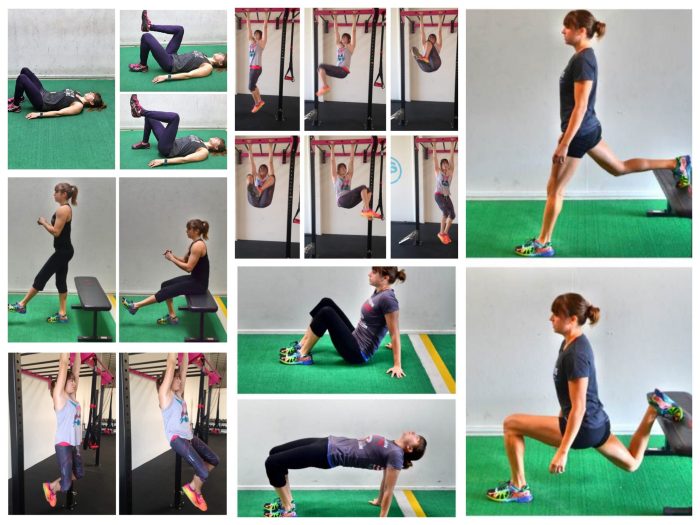
Bodyweight exercises are not only beneficial for physical health but also play a significant role in managing stress levels. Engaging in regular physical activity through bodyweight exercises can help reduce stress, improve mood, and enhance overall well-being.
Bodyweight Exercises for Stress Relief
Here are some specific bodyweight exercises known for their stress-reducing benefits:
- 1. Yoga Poses: Practicing yoga poses such as Child’s Pose, Downward Facing Dog, and Warrior Pose can help relax the mind and body, reducing stress and tension.
- 2. Deep Breathing Exercises: Incorporating deep breathing techniques like diaphragmatic breathing or box breathing during bodyweight workouts can help calm the nervous system and alleviate stress.
- 3. Bodyweight Squats: Performing bodyweight squats not only strengthens the lower body muscles but also releases endorphins, the body’s natural stress relievers.
- 4. Plank Variations: Plank exercises engage multiple muscle groups and promote mindfulness, helping to reduce stress and anxiety levels.
Physical Activity and Stress Relief
There is a strong connection between physical activity and stress relief. When you engage in bodyweight exercises or any form of physical activity, your body releases endorphins, also known as “feel-good” hormones. These endorphins interact with receptors in the brain, reducing the perception of pain and triggering a positive feeling in the body.
Healthy Lifestyle
Incorporating bodyweight exercises into your fitness routine is a key component of a healthy lifestyle. These exercises help improve strength, flexibility, and endurance, leading to overall physical fitness and well-being.
Examples of Bodyweight Exercises
Bodyweight exercises can target different muscle groups, providing a full-body workout without the need for equipment. Here are some examples:
- Push-ups: Target the chest, shoulders, and triceps.
- Squats: Engage the quadriceps, hamstrings, and glutes.
- Planks: Strengthen the core muscles, including the abdominals and lower back.
- Lunges: Work the legs, particularly the quadriceps and glutes.
- Glute bridges: Activate the glutes and hamstrings.
Role of Bodyweight Exercises in Health
Bodyweight exercises play a crucial role in maintaining overall health and well-being. They can be done anywhere, making it easy to stay active even without access to a gym. Regular practice of bodyweight exercises can help improve posture, balance, and coordination, reducing the risk of injuries. Furthermore, these exercises can boost metabolism, aid in weight management, and contribute to a healthy heart.
Medical Innovations
Bodyweight exercises have come a long way in the medical field, with various innovations and advancements enhancing their effectiveness in fitness routines. Technology plays a crucial role in revolutionizing bodyweight exercise routines, making them more accessible and efficient for individuals looking to improve their overall health and well-being.
Virtual Reality Integration
Virtual reality (VR) technology is being utilized to enhance bodyweight exercise routines by providing immersive and interactive experiences. This innovation allows individuals to engage in virtual environments that motivate and guide them through their workouts, making the exercises more engaging and enjoyable. Research has shown that incorporating VR into bodyweight exercises can increase adherence and overall effectiveness in achieving fitness goals.
Wearable Technology
The integration of wearable technology, such as fitness trackers and smartwatches, has enabled individuals to track their progress and performance during bodyweight exercises. These devices provide real-time feedback on metrics like heart rate, calories burned, and exercise intensity, allowing users to optimize their workouts for better results. Research has demonstrated that utilizing wearable technology can improve motivation and accountability in sticking to a consistent exercise routine.
Biomechanical Analysis, How to incorporate bodyweight exercises into fitness routines
Advancements in biomechanical analysis tools have allowed for a more in-depth understanding of how the body moves during bodyweight exercises. By analyzing movement patterns and muscle activation, researchers can tailor individualized exercise programs that target specific areas for improved strength and flexibility. This personalized approach has been shown to be effective in preventing injuries and enhancing overall physical performance.
Nutritional Supplements
When it comes to supporting bodyweight exercise routines, nutritional supplements play a crucial role in providing the necessary nutrients to enhance performance and aid in muscle recovery. These supplements can help fill any nutritional gaps and optimize the benefits of your workout.
Key Supplements for Muscle Recovery and Performance
- Protein Powder: Protein is essential for muscle repair and growth, making protein powder a popular choice for post-workout recovery.
- Creatine: Known for improving strength and power, creatine can enhance performance during high-intensity bodyweight exercises.
- BCAAs (Branched-Chain Amino Acids): BCAAs can reduce muscle soreness and fatigue, allowing for faster recovery between workouts.
- Omega-3 Fatty Acids: These healthy fats can help reduce inflammation and support overall joint health, crucial for bodyweight exercises.
Guidelines for Combining Supplements with Bodyweight Exercises
- Timing is Key: Consume protein powder or BCAAs before and after your bodyweight workout to support muscle recovery.
- Stay Hydrated: Supplements work best when taken with an adequate amount of water to aid in absorption.
- Consult a Professional: Before adding any new supplements to your routine, it’s best to consult with a healthcare provider or nutritionist to ensure they align with your fitness goals.
Fitness Routine
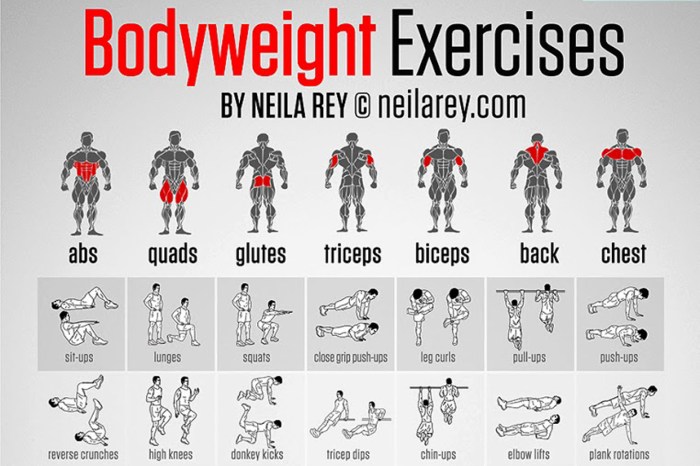
When incorporating bodyweight exercises into your fitness routine, it’s important to create a balanced workout plan that targets different muscle groups and allows for proper recovery. Here is a sample fitness routine that you can follow:
Sample Fitness Routine
- Warm-up: 5 minutes of light cardio (jumping jacks, high knees, etc.)
- Push-ups: 3 sets of 12 reps
- Squats: 3 sets of 15 reps
- Plank: 3 sets of 30 seconds
- Lunges: 3 sets of 12 reps per leg
- Crunches: 3 sets of 20 reps
- Cool down: 5-10 minutes of stretching
Creating a Balanced Workout Plan
When planning your bodyweight workout routine, make sure to include exercises that target all major muscle groups, such as arms, legs, core, and back. You can also vary the intensity by incorporating different variations of each exercise (e.g., wide grip push-ups, pistol squats, side planks).
Tips for Scheduling Bodyweight Workouts
- Choose a time of day when you have the most energy and motivation to work out.
- Listen to your body and allow for rest days to prevent overtraining and injuries.
- Be consistent with your workout schedule to see progress and results.
- Consider alternating between bodyweight workouts and other forms of exercise for a well-rounded fitness routine.
Health Screenings
Regular health screenings are crucial for individuals engaging in fitness activities to monitor their overall health and well-being. These screenings help in early detection of any underlying health issues and provide valuable information to adjust fitness routines accordingly.
Impact of Bodyweight Exercises on Health Screenings
- Cardiovascular Health: Bodyweight exercises like push-ups and burpees can improve cardiovascular fitness, leading to better results in screenings such as blood pressure and cholesterol levels.
- Bone Density: Weight-bearing bodyweight exercises like squats and lunges can help maintain and improve bone density, which is important for screenings related to osteoporosis.
- Body Composition: Regular bodyweight exercises can positively impact body composition, affecting screenings like BMI and body fat percentage.
Adjusting Workout Routines Based on Health Screening Outcomes
- If health screenings reveal high blood pressure, incorporating more low-impact bodyweight exercises like yoga or Pilates can be beneficial.
- For individuals with low bone density, adding resistance training to bodyweight exercises can help improve bone strength and density.
- Consulting with a healthcare provider or fitness professional to tailor workout routines based on health screening results is essential for overall well-being.
Disease Prevention
When it comes to disease prevention, incorporating bodyweight exercises into your fitness routine can play a crucial role in maintaining overall health and well-being. Research has consistently shown a strong link between physical activity and a reduced risk of various diseases.
Benefits of Bodyweight Exercises for Disease Prevention
- Bodyweight exercises, such as push-ups, squats, and planks, help improve cardiovascular health by increasing heart rate and strengthening the heart muscle.
- These exercises also aid in maintaining a healthy weight, reducing the risk of obesity-related diseases like diabetes and hypertension.
- Strength training exercises, like bodyweight squats and lunges, can help improve bone density and reduce the risk of osteoporosis.
- Regular physical activity, including bodyweight exercises, boosts the immune system, making the body more resilient to infections and illnesses.
Sleep Hygiene
Proper sleep hygiene is essential for overall health and well-being. It involves practices and habits that promote quality sleep and optimal rest.
Connection between Bodyweight Exercises and Improved Sleep Hygiene
Bodyweight exercises can play a significant role in improving sleep hygiene. Regular physical activity, such as bodyweight exercises, can help regulate the body’s internal clock, also known as the circadian rhythm. This can lead to better sleep quality and duration.
Tips to Incorporate Bodyweight Exercises into a Bedtime Routine
- Try doing bodyweight exercises like yoga or stretching before bedtime to relax your muscles and calm your mind.
- Avoid intense or high-energy exercises close to bedtime, as they may have the opposite effect and make it harder to fall asleep.
- Create a simple routine with bodyweight exercises that you can easily follow every night to signal to your body that it’s time to wind down.
Impact of Physical Activity on Sleep Quality and Duration
Regular physical activity, including bodyweight exercises, has been shown to improve sleep quality and duration. Exercise helps reduce stress and anxiety, which are common factors that can disrupt sleep. It also boosts the production of endorphins, which can promote relaxation and better sleep. By incorporating bodyweight exercises into your fitness routine, you can potentially enhance your overall sleep hygiene and enjoy a more restful night’s sleep.
Mental Clarity
Regular engagement in bodyweight exercises can significantly impact mental clarity and cognitive function. These types of exercises not only strengthen the body but also have positive effects on the brain.
Cognitive Benefits of Bodyweight Exercises
- Improved Blood Flow: Bodyweight exercises increase blood flow to the brain, delivering more oxygen and nutrients essential for optimal brain function.
- Release of Endorphins: Engaging in bodyweight exercises triggers the release of endorphins, also known as “feel-good” hormones, which can enhance mood and overall mental well-being.
- Stress Reduction: Regular physical activity, including bodyweight exercises, can help reduce stress levels, promoting mental clarity and focus.
Personal Experiences
- After incorporating bodyweight exercises into my daily routine, I noticed a significant improvement in my ability to concentrate and stay focused throughout the day.
- Engaging in bodyweight exercises, such as planks and push-ups, before starting work helped me feel more alert and ready to tackle tasks with a clear mind.
Role of Physical Activity in Brain Function
Regular physical activity, including bodyweight exercises, plays a crucial role in enhancing focus, concentration, and overall brain function. By promoting neuroplasticity and stimulating the release of neurotransmitters, these exercises can support cognitive function and mental clarity in the long run.
Hydration Importance: How To Incorporate Bodyweight Exercises Into Fitness Routines
Staying hydrated is crucial when engaging in bodyweight exercises to ensure optimal performance and recovery. Dehydration can lead to decreased energy levels, muscle cramps, and overall reduced exercise effectiveness.
Guidelines for Hydration
- Before a workout: Drink about 17-20 ounces of water 2-3 hours before exercising to ensure proper hydration levels.
- During a workout: Consume 7-10 ounces of water every 10-20 minutes to maintain hydration during exercise.
- After a workout: Replenish fluids by drinking 8 ounces of water within 30 minutes of finishing your workout and continue to hydrate throughout the day.
Effects of Dehydration
Dehydration can have negative impacts on performance and recovery during bodyweight exercises. It can lead to decreased endurance, muscle fatigue, and impaired cognitive function. Proper hydration is essential to prevent these negative effects and ensure a successful workout.
FAQ Resource
How can I modify bodyweight exercises for different fitness levels?
To modify bodyweight exercises for different fitness levels, you can adjust the number of repetitions, the range of motion, or the difficulty of the exercise by changing the leverage or adding resistance.
What are some examples of bodyweight exercises that target different muscle groups?
Some examples of bodyweight exercises that target different muscle groups include push-ups for the chest and triceps, squats for the legs and glutes, and planks for the core.
How do bodyweight exercises contribute to disease prevention?
Bodyweight exercises can contribute to disease prevention by improving cardiovascular health, maintaining a healthy weight, and enhancing overall strength and mobility, which are all crucial factors in reducing the risk of various diseases.


More Stories
Top Fitness Routine for Building Strength and Endurance at Home