Stress Management
Regular dental health screenings play a crucial role in managing stress levels. When individuals prioritize their oral health, they are more likely to experience lower stress levels overall. This connection between dental health and stress management is often overlooked, but it can have a significant impact on one’s well-being.
Impact of Good Dental Health on Stress Reduction
Maintaining good oral hygiene through regular dental check-ups, cleanings, and treatments can prevent dental issues that may cause discomfort and pain. Studies have shown that individuals with poor dental health are more likely to experience stress and anxiety due to dental problems. By taking care of their teeth and gums, people can avoid these stress-inducing situations and feel more confident in their overall health.
- Regular dental visits can help identify and address dental issues early on, preventing them from escalating and causing pain or discomfort.
- Proper oral hygiene habits, such as brushing and flossing regularly, can contribute to a healthier mouth and reduce the risk of dental problems that may lead to stress.
- Good dental health can also improve self-esteem and confidence, which can have a positive impact on mental well-being and stress levels.
Healthy Lifestyle
Maintaining good oral health through regular dental health screenings is an essential component of leading a healthy lifestyle.
By taking care of your teeth and gums, you can prevent various oral health issues that can impact your overall well-being.
Impact on Overall Well-being
Poor oral health has been linked to various systemic health conditions such as heart disease, diabetes, and respiratory infections.
Regular dental check-ups can help detect early signs of these conditions, leading to timely intervention and better health outcomes.
Connection to Healthy Lifestyle Choices
Good dental health can positively influence your lifestyle choices.
For example, individuals with healthy teeth and gums are more likely to feel confident about their appearance, leading to improved self-esteem and social interactions.
Additionally, maintaining proper oral hygiene can enhance your sense of taste and enjoyment of food, encouraging a balanced diet rich in nutrients essential for overall health.
Medical Innovations
In recent years, there have been remarkable advancements in dental health screenings, thanks to cutting-edge technologies. These innovations have revolutionized the way dental professionals detect and diagnose oral health issues, ultimately benefiting both patients and healthcare providers.
Latest Innovations in Dental Health Screenings
- Digital Radiography: This technology allows for high-quality images of the teeth and jawbone, enabling dentists to detect cavities, infections, and other dental problems more accurately.
- 3D Imaging: With the use of Cone Beam Computed Tomography (CBCT), dentists can obtain detailed three-dimensional images of the oral structures, aiding in precise diagnosis and treatment planning.
- Intraoral Cameras: These small cameras can capture images of the inside of the mouth in real-time, allowing dentists to visualize hard-to-reach areas and detect early signs of dental issues.
Technological Advancements and Benefits
- Enhanced Accuracy: The use of advanced imaging technologies ensures that dental health screenings are more precise, leading to early detection of problems and improved treatment outcomes.
- Increased Efficiency: Digital tools have streamlined the screening process, reducing the time needed for diagnosis and enabling dentists to provide prompt care to their patients.
- Patient Comfort: These innovations make dental screenings more comfortable for patients, as they minimize the need for invasive procedures and enhance the overall experience at the dental office.
Nutritional Supplements
Benefits of dental health screenings – When it comes to maintaining good oral health, the role of nutritional supplements should not be overlooked. Nutrients play a crucial part in supporting overall health, including the health of our teeth and gums. By understanding the relationship between oral health screenings and the need for specific nutritional supplements, we can optimize our oral health outcomes.
One example of a supplement that can support dental health is vitamin D. This essential vitamin helps the body absorb calcium, which is important for maintaining strong teeth and bones. Another example is vitamin C, which promotes healthy gums and can help prevent gum disease. Including these supplements in your diet can help enhance your oral health.
Role of a Balanced Diet and Supplements
- Vitamin D: Supports the absorption of calcium for strong teeth and bones.
- Vitamin C: Promotes healthy gums and helps prevent gum disease.
- Calcium: Essential for maintaining strong teeth and jawbones.
- Omega-3 fatty acids: Reduce inflammation and support gum health.
Fitness Routine
Regular dental screenings play a crucial role in maintaining overall physical health, including fitness. By incorporating dental health into your fitness regimen, you can enhance your well-being in a holistic manner.
Complementing Dental Health with Fitness
- Regular dental check-ups can help identify any oral health issues that may impact your ability to exercise effectively.
- Oral health problems, such as gum disease, can lead to inflammation in the body, affecting your overall physical performance.
- By addressing dental issues promptly, you can ensure that your fitness routine is not compromised by any oral health concerns.
Importance of Oral Health in Physical Fitness
- Good oral health is linked to improved overall health, including better cardiovascular function and reduced risk of certain diseases.
- Healthy teeth and gums are essential for proper nutrition and digestion, which are vital for fueling your workouts.
- Poor oral health can lead to systemic inflammation, which may hinder your fitness progress and recovery.
Incorporating Dental Health into Your Fitness Regimen
- Make regular dental check-ups a priority, scheduling them alongside your fitness appointments to ensure consistency.
- Practice good oral hygiene, including brushing and flossing daily, to maintain your dental health and overall well-being.
- Consider using mouthguards during high-impact sports or activities to protect your teeth from damage and reduce the risk of injuries.
Health Screenings: Benefits Of Dental Health Screenings
Regular health screenings are essential for maintaining overall well-being, and dental health screenings play a crucial role in this aspect. Let’s delve into the importance of dental health screenings and how they compare and contrast with other types of health screenings.
Comparison of Dental Health Screenings with Other Health Screenings
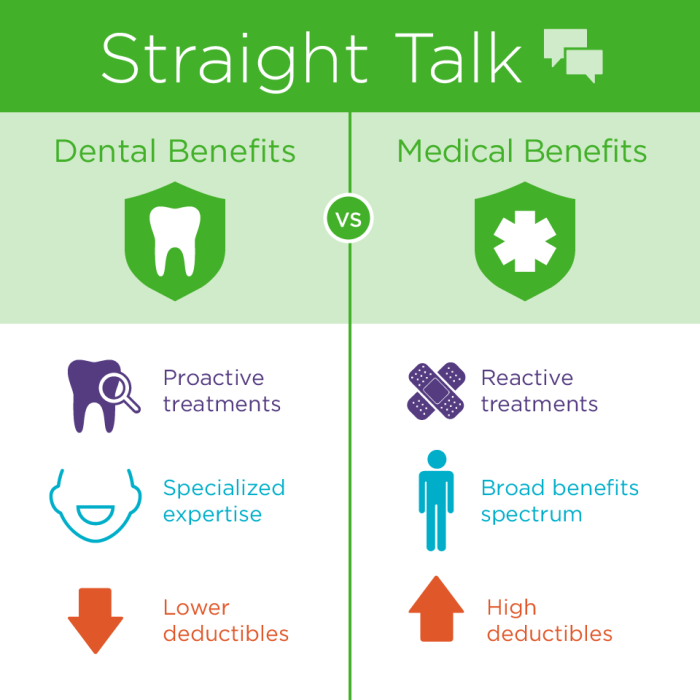
- Dental health screenings focus specifically on the oral cavity, teeth, and gums, detecting issues such as cavities, gum disease, and oral cancer.
- On the other hand, general health screenings often encompass a broader spectrum, examining various aspects of physical health like blood pressure, cholesterol levels, and organ function.
- Both types of screenings aim to identify potential health concerns early on, allowing for timely intervention and treatment.
Frequency and Importance of Regular Dental Check-ups
Regular dental check-ups are recommended at least twice a year to maintain optimal oral health. These check-ups not only help prevent dental problems but also enable early detection of any issues that may arise. By visiting the dentist regularly, individuals can address minor concerns before they escalate into more severe conditions, ultimately saving both time and money in the long run.
Preventing Serious Dental Issues through Early Detection, Benefits of dental health screenings
Early detection through dental health screenings can significantly reduce the risk of developing serious dental issues. By catching problems such as cavities or gum disease in their initial stages, individuals can avoid more extensive treatments like root canals or extractions. Regular screenings also help in monitoring oral health progress and ensuring that any abnormalities are promptly addressed, promoting overall well-being and a healthy smile.
Disease Prevention
Regular dental health screenings play a crucial role in preventing oral diseases by allowing for early detection and intervention. By identifying potential issues in their early stages, individuals can avoid more serious dental conditions and maintain optimal oral health.
Common Oral Diseases Detected Through Screenings
- Tooth Decay: Also known as cavities, tooth decay is one of the most common oral health problems that can be detected through screenings. Early intervention, such as fillings, can prevent further damage to the tooth.
- Gum Disease: Gingivitis and periodontitis are forms of gum disease that can be identified through screenings. Prompt treatment can prevent the progression of gum disease and potential tooth loss.
- Oral Cancer: Dental health screenings can also help in the early detection of oral cancer. Timely intervention is crucial in improving outcomes and increasing survival rates.
Significance of Early Intervention
Regular dental health screenings not only help in the early detection of oral diseases but also enable early intervention. By addressing dental conditions in their initial stages, individuals can prevent the progression of diseases, reduce the need for extensive treatments, and maintain good oral hygiene. Early intervention plays a vital role in preventing dental conditions from worsening and ensures better overall oral health.
Sleep Hygiene
Having good sleep hygiene is essential for overall health and well-being. The connection between dental health screenings and sleep hygiene may not be immediately obvious, but oral health can actually play a significant role in how well we sleep.
Impact of Oral Health on Sleep Quality
Maintaining good oral hygiene is crucial for preventing issues like tooth decay, gum disease, and infections that can cause pain and discomfort, ultimately leading to poor sleep quality. For example, untreated cavities or gum inflammation can result in throbbing pain that makes it difficult to fall asleep or stay asleep throughout the night. Additionally, conditions like sleep apnea, which can be linked to oral health issues like a narrow airway or misaligned bite, can disrupt sleep patterns and contribute to daytime fatigue.
- Regular dental check-ups can help identify and address potential oral health problems early on, preventing them from affecting sleep quality.
- Brushing and flossing your teeth daily can reduce the risk of cavities and gum disease, promoting better overall oral health and facilitating a good night’s sleep.
- Using a mouthguard or oral appliance prescribed by a dentist to treat conditions like sleep apnea can improve breathing during sleep and enhance sleep quality.
Mental Clarity
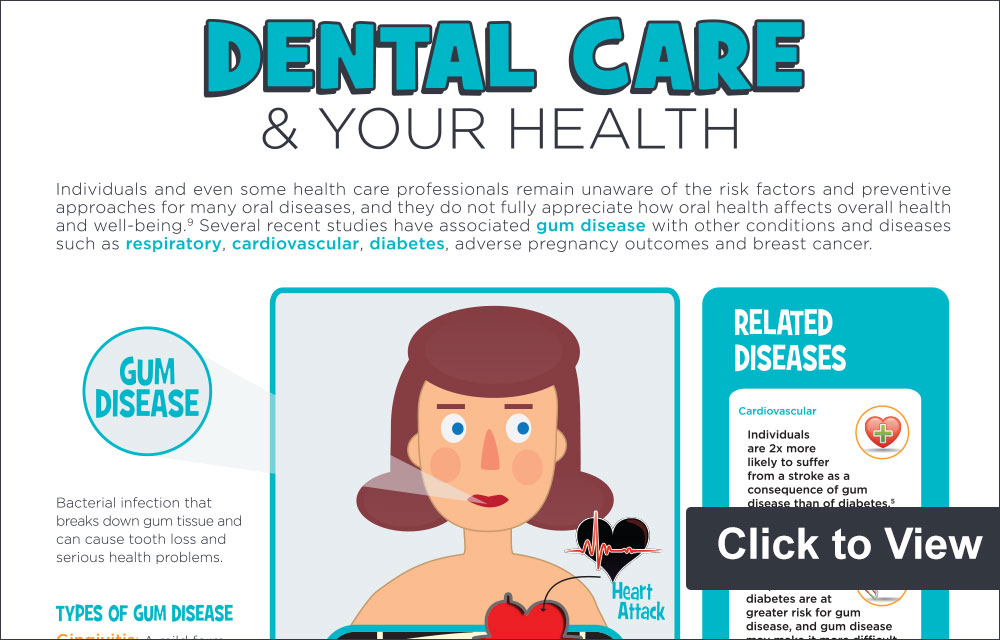
Maintaining good oral health through dental health screenings can have a significant impact on mental clarity. The connection between oral health and cognitive function is often overlooked, but it plays a crucial role in overall mental well-being.
Cognitive Benefits of Good Oral Health
- Reduced risk of cognitive decline: Studies have shown that poor oral health, such as gum disease, is linked to an increased risk of cognitive decline and conditions like Alzheimer’s disease.
- Improved focus and concentration: By preventing oral infections and inflammation through regular dental check-ups, individuals can experience better focus and concentration in their daily tasks.
- Enhanced memory retention: Good oral hygiene habits, including regular cleanings and screenings, can contribute to improved memory retention and cognitive function.
Impact on Overall Mental Well-being
- Reduced stress and anxiety: Maintaining good oral health can help reduce stress and anxiety levels, as oral health issues can often lead to discomfort and pain.
- Boosted self-confidence: A healthy smile resulting from regular dental screenings can boost self-esteem and confidence, leading to a more positive outlook on life.
- Better quality of life: Overall, good oral health contributes to a better quality of life, which can have a positive impact on mental clarity and overall well-being.
Hydration Importance
Maintaining proper hydration levels is crucial for overall health, including oral health. Staying hydrated can have a significant impact on dental health by promoting saliva production, which helps in washing away bacteria and food particles that can lead to tooth decay and gum disease.
Benefits of Hydration for Oral Health
- Saliva Production: Adequate hydration ensures the production of saliva, which plays a key role in neutralizing acids and protecting teeth from decay.
- Preventing Dry Mouth: Dehydration can cause dry mouth, leading to bad breath and an increased risk of cavities. Drinking enough water helps in preventing dry mouth.
- Flushes Out Bacteria: Drinking water regularly can help in flushing out harmful bacteria and food particles, reducing the risk of oral infections.
- Overall Health: Hydration is essential for maintaining overall health, which in turn reflects on oral health, contributing to healthy gums and teeth.
Tips for Maintaining Proper Hydration Levels for Oral Health
- Carry a Water Bottle: Keep a water bottle handy throughout the day to remind yourself to drink water regularly.
- Set Reminders: Use reminders on your phone or computer to prompt you to take sips of water at regular intervals.
- Flavor Infused Water: If plain water seems boring, try infusing it with fruits or herbs for added flavor to encourage more consumption.
- Avoid Sugary Drinks: Limit the intake of sugary and acidic beverages as they can harm your teeth and lead to dehydration.
Clarifying Questions
Can dental health screenings help in reducing stress levels?
Yes, regular screenings can help identify oral issues early, reducing stress related to dental problems.
What role do dental screenings play in disease prevention?
Dental screenings can detect oral diseases early, allowing for timely intervention and prevention.
How does hydration impact oral health?
Staying hydrated is crucial for maintaining good oral health as it helps in saliva production and washes away food particles.


More Stories
Mental clarity and stress management techniques – Enhancing well-being through mindfulness
Importance of sleep for mental clarity: Enhancing cognitive function through quality rest
Essential health screenings for men over 50: Ensuring Longevity and Well-being