Stress Management
Stress management is crucial in maintaining children’s overall health as it can impact both their physical and mental well-being. Children experience stress from various sources such as school, family, and social interactions, and if not managed effectively, it can lead to long-term negative effects.
Strategies for Parents to Help Children Manage Stress
- Encourage open communication: Create a safe space for children to express their feelings and concerns.
- Teach relaxation techniques: Practice deep breathing, mindfulness, or yoga with your child to help them relax.
- Promote a healthy lifestyle: Ensure your child gets enough sleep, eats nutritious meals, and engages in physical activity.
- Set realistic expectations: Avoid putting too much pressure on your child academically or in extracurricular activities.
- Establish routines: Consistent schedules can help children feel more secure and reduce anxiety.
Impact of Stress on Children’s Physical and Mental Well-being
Stress can manifest in various physical symptoms such as headaches, stomachaches, and difficulty sleeping. It can also affect children’s mental health by increasing anxiety, irritability, and difficulty concentrating. Long-term stress can lead to more serious health issues if not addressed promptly.
Healthy Lifestyle
Maintaining a healthy lifestyle is crucial for children to support their overall well-being and development. It involves a combination of factors that promote physical, mental, and emotional health.
Components of a Healthy Lifestyle for Children
- Balanced Nutrition: Encourage children to eat a variety of fruits, vegetables, whole grains, lean proteins, and dairy products to ensure they receive essential nutrients for growth and development.
- Regular Exercise: Promote physical activity by engaging children in activities they enjoy, such as sports, dancing, or outdoor play, to strengthen their muscles, bones, and cardiovascular system.
- Adequate Sleep: Ensure children get enough sleep based on their age to support brain function, mood regulation, and overall health.
- Hydration: Encourage children to drink plenty of water throughout the day to stay hydrated and maintain proper bodily functions.
- Mental Health Support: Teach children coping mechanisms for stress, anxiety, and other emotions, and provide a safe space for them to express their feelings.
Role of a Healthy Lifestyle in Preventing Childhood Diseases
Comprehensive health screenings for children – A healthy lifestyle plays a significant role in preventing various childhood diseases by strengthening the immune system and overall health. By incorporating balanced nutrition, regular exercise, and adequate sleep, children can boost their immune response to fight off infections and illnesses. Additionally, staying hydrated and supporting mental health can improve resilience and reduce the risk of developing chronic conditions.
Medical Innovations
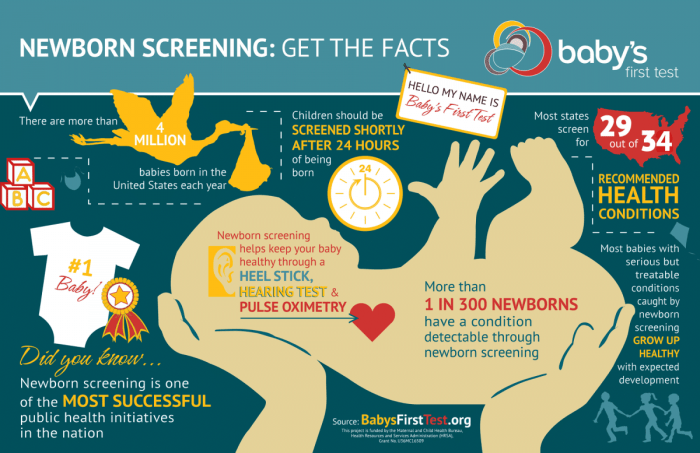
In recent years, medical advancements have revolutionized the way health screenings for children are conducted. Technology has played a significant role in enhancing the accuracy and efficiency of these screenings, leading to improved outcomes and early detection of health issues. As we look towards the future, the potential for even more innovative approaches to pediatric health screenings is promising.
Advancements in Health Screening Technology
- Utilization of Artificial Intelligence (AI) algorithms to analyze screening results and detect abnormalities with higher precision.
- Development of non-invasive screening tools such as wearable devices and smart sensors for continuous monitoring of vital signs and health parameters.
- Integration of telemedicine platforms to enable remote screenings and consultations, especially in underserved areas.
Potential Future Innovations in Pediatric Health Screenings
- Implementation of genetic screening to identify predispositions to certain health conditions at an early age, allowing for personalized preventive measures.
- Advancements in imaging technologies like 3D and 4D ultrasounds for more detailed and accurate assessments of fetal development and potential health issues.
- Exploration of virtual reality (VR) simulations for training healthcare professionals in conducting screenings and interpreting results effectively.
Nutritional Supplements: Comprehensive Health Screenings For Children
Nutritional supplements play a crucial role in supporting children’s health by providing essential vitamins, minerals, and other nutrients that may be lacking in their diet.
Choosing Safe and Effective Supplements for Children
- Look for supplements that are specifically formulated for children’s needs, taking into account their age, weight, and nutritional requirements.
- Opt for supplements that are third-party tested for purity and quality to ensure they meet safety standards.
- Choose supplements with child-proof packaging to prevent accidental ingestion.
- Avoid supplements with excessive amounts of vitamins or minerals, as this can be harmful to children’s health.
- Consult with a healthcare professional, such as a pediatrician or registered dietitian, before giving children any supplements to ensure they are appropriate for their individual needs.
Fitness Routine
Regular physical activity is crucial for children’s overall health and well-being. A fitness routine not only helps in maintaining a healthy weight but also improves cardiovascular health, muscular strength, and flexibility. Additionally, it can boost mood, increase energy levels, and enhance cognitive function in children.
Age-Appropriate Exercises
- Running or jogging: Running is a great way to improve cardiovascular health and increase stamina in children. It can be done in a park, playground, or even around the house.
- Jumping jacks: Jumping jacks are a fun and effective exercise that can help improve coordination and cardiovascular fitness in children.
- Swimming: Swimming is a low-impact exercise that works all the major muscle groups and improves flexibility and endurance. It is a great way for children to stay active and cool off during hot weather.
- Dancing: Dancing is a fun way for children to get moving and improve their coordination and balance. It can be done at home or as part of a dance class.
Impact on Overall Well-Being
Regular physical activity has numerous benefits for children’s overall well-being. It helps in reducing the risk of chronic diseases such as obesity, diabetes, and heart disease. Physical activity also promotes better sleep, reduces stress and anxiety, and boosts self-esteem and confidence in children. Encouraging children to engage in a variety of physical activities can set the foundation for a healthy lifestyle that they can carry into adulthood.
Health Screenings
Regular health screenings are essential for children to ensure early detection and prevention of potential health issues. These screenings help in monitoring the overall health and development of children, allowing healthcare providers to address any concerns promptly.
Types of Health Screenings
- Newborn Screening: Typically done within the first 24-48 hours after birth to detect any genetic, metabolic, or developmental conditions.
- Developmental Screening: Used to assess a child’s physical, cognitive, social, and emotional development at various stages.
- Vision and Hearing Screening: Helps in identifying any issues related to vision or hearing impairments that may affect a child’s learning and development.
- Dental Screening: Important for early detection of dental problems and maintaining good oral health.
- Immunizations: Ensuring children are up to date with their vaccinations to prevent the spread of contagious diseases.
Regular screenings can lead to early intervention and treatment, improving the overall health outcomes for children.
Disease Prevention
Preventing childhood diseases is crucial for maintaining the well-being of children. Through proper health screenings and vaccinations, many common illnesses can be avoided. Additionally, maintaining a clean and hygienic environment plays a significant role in disease prevention.
Common Childhood Diseases
- Common Cold: Regular hand washing and avoiding contact with sick individuals can help prevent the spread of the common cold.
- Influenza: Annual flu vaccinations are recommended for children to protect them from the influenza virus.
- Chickenpox: Vaccination against chickenpox is essential in preventing this highly contagious viral infection.
- Measles: The measles vaccine is crucial in preventing this highly contagious viral illness.
Role of Vaccinations
Vaccinations are a vital tool in preventing the spread of infectious diseases among children. By immunizing children against various illnesses, vaccinations help build immunity and protect them from potentially life-threatening diseases.
Maintaining a Hygienic Environment
- Regular Hand Washing: Teach children the importance of washing their hands frequently to prevent the spread of germs.
- Clean Living Spaces: Keep living areas clean and free of clutter to reduce the risk of illnesses caused by bacteria and viruses.
- Proper Food Handling: Ensure proper food preparation and storage practices to prevent foodborne illnesses.
- Personal Hygiene: Encourage good personal hygiene habits such as bathing regularly and brushing teeth to maintain overall health.
Sleep Hygiene
Good sleep hygiene is crucial for children’s development as it directly impacts their physical, emotional, and cognitive well-being. Establishing healthy sleep habits from an early age can lead to improved focus, behavior, and overall health in children.
Strategies for Establishing Healthy Sleep Habits
- Set a consistent bedtime routine and stick to it every night.
- Create a calming bedtime environment by dimming lights and reducing noise.
- Avoid stimulating activities like screen time before bedtime.
- Ensure your child’s bedroom is comfortable and conducive to sleep.
- Encourage regular physical activity during the day to promote better sleep at night.
Impact of Inadequate Sleep on Children’s Health
Inadequate sleep can have negative effects on children’s physical and mental health. It can lead to issues such as poor concentration, mood swings, weakened immune system, and even growth and development delays. Consistent lack of sleep in children has been associated with an increased risk of obesity, diabetes, and other chronic health conditions.
Mental Clarity
Mental clarity plays a crucial role in children’s overall health and well-being. It is essential for cognitive function, focus, academic performance, and social interactions. Improving mental clarity can have a significant impact on a child’s development and daily functioning.
Techniques for Improving Children’s Cognitive Function and Focus
- Encourage regular physical activity to enhance blood flow to the brain and promote mental alertness.
- Provide a balanced diet rich in nutrients essential for brain health, such as Omega-3 fatty acids, antioxidants, and vitamins.
- Limit screen time and encourage activities that stimulate the mind, such as reading, puzzles, and creative play.
- Teach mindfulness and relaxation techniques to help children manage stress and improve focus.
Importance of Mental Well-being in Academic Performance and Social Interactions
- Mental well-being is closely linked to academic success, as it affects concentration, memory, and problem-solving skills.
- Children with good mental clarity are more likely to excel in school and have positive social interactions with peers.
- Promoting mental well-being early on can set a foundation for lifelong mental health and success.
Hydration Importance
Proper hydration is crucial for children’s health and overall well-being. Water plays a vital role in various bodily functions, including maintaining body temperature, transporting nutrients and oxygen, and eliminating waste.
Guidelines for Daily Water Intake, Comprehensive health screenings for children
- Children aged 1-3 years old: 4-5 cups (32-40 ounces) of water per day
- Children aged 4-8 years old: 5-7 cups (40-56 ounces) of water per day
- Children aged 9-13 years old: 8-10 cups (64-80 ounces) of water per day
- Teenagers aged 14-18 years old: 8-11 cups (64-88 ounces) of water per day
Signs of Dehydration and Prevention
- Signs of Dehydration: dry mouth, dark yellow urine, fatigue, dizziness, headache, and decreased urine output
- To prevent dehydration, encourage children to drink water throughout the day, especially during physical activities
- Offer water-rich foods like fruits and vegetables to help maintain hydration levels
- Avoid sugary drinks and excessive caffeine intake, as they can contribute to dehydration
FAQ Section
How often should children undergo comprehensive health screenings?
It is recommended for children to have annual screenings, but frequency may vary based on individual health needs.
Are health screenings painful for children?
No, most screenings are non-invasive and painless, focusing on measurements and observations.
Can health screenings detect all potential health issues in children?
While screenings are comprehensive, they may not detect every possible issue, emphasizing the need for regular check-ups.


More Stories