Innovations in diabetes management technology
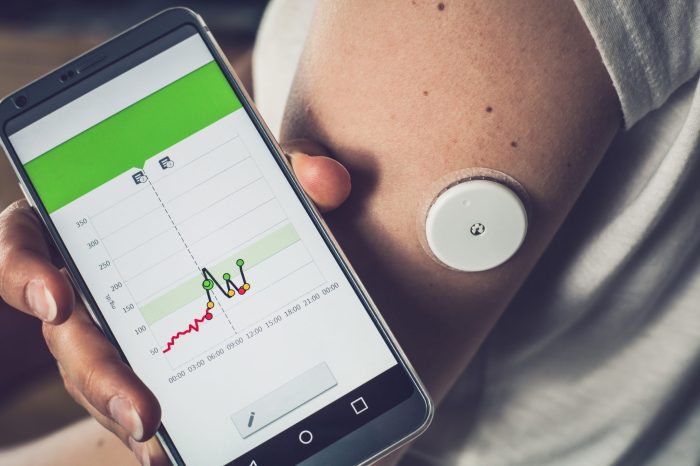
Wearable devices have made significant advancements in monitoring blood sugar levels for individuals with diabetes. These devices are now more accurate, user-friendly, and discreet, allowing for continuous monitoring without the need for frequent finger pricks.
Advancements in Wearable Devices
- Continuous Glucose Monitors (CGMs) now offer real-time data on blood sugar levels, trends, and patterns, helping patients make informed decisions about their diet, exercise, and medication.
- New sensor technologies have improved the accuracy and reliability of CGMs, reducing the instances of false alarms and providing more precise data for better diabetes management.
- Integration with smartphone apps and cloud-based platforms allows for data sharing with healthcare providers, enabling remote monitoring and timely intervention in case of fluctuations or emergencies.
Artificial Intelligence in Insulin Delivery
Artificial intelligence (AI) has revolutionized insulin delivery systems by optimizing dosage calculations, predicting blood sugar trends, and personalizing treatment plans for individuals with diabetes.
- Smart insulin pumps use AI algorithms to analyze CGM data, adjust insulin doses in real-time, and prevent hypoglycemia or hyperglycemia episodes by anticipating changes in blood sugar levels.
- AI-powered insulin pens provide personalized recommendations based on individual glucose patterns, activity levels, and meal timings, enhancing treatment adherence and effectiveness.
- Machine learning algorithms continuously learn from patient data to improve insulin delivery algorithms, making diabetes management more precise, efficient, and patient-centered.
- Virtual appointments allow for real-time communication with endocrinologists, diabetes educators, and nutritionists, facilitating timely adjustments to treatment plans, medication regimens, and lifestyle modifications.
- Remote monitoring devices, such as connected glucometers and blood pressure monitors, enable patients to track their vital parameters at home and share the data with their healthcare team for ongoing support and guidance.
- Telemedicine platforms offer educational resources, self-management tools, and peer support groups, empowering individuals with diabetes to take control of their health and well-being through personalized, accessible, and convenient care options.
- Engage in physical activity: Exercise releases endorphins, which help reduce stress levels and improve overall well-being.
- Practice deep breathing exercises: Deep breathing can help calm the mind and body, reducing stress and promoting relaxation.
- Try mindfulness meditation: Mindfulness meditation focuses on being present in the moment, helping to alleviate stress and anxiety.
- Connect with others: Talking to friends, family, or a support group can provide emotional support and reduce feelings of isolation and stress.
- A balanced diet rich in fruits, vegetables, whole grains, and lean proteins can help regulate blood sugar levels.
- Avoiding sugary drinks, refined carbohydrates, and processed foods can prevent spikes in blood glucose.
- Healthy fats, such as those found in nuts, seeds, and avocados, can support heart health and reduce inflammation.
- Walking: A simple and effective way to improve cardiovascular health and lower blood sugar levels.
- Swimming: Gentle on the joints and a great full-body workout for individuals with diabetes.
- Cycling: Helps improve insulin sensitivity and can be easily adjusted to different fitness levels.
- Quitting smoking can reduce the risk of heart disease, stroke, and other complications associated with diabetes.
- Smoking cessation can improve circulation, lung function, and overall quality of life for diabetic patients.
- Support groups, counseling, and medication can help individuals successfully quit smoking and improve their health outcomes.
- Proper foot care is essential for preventing neuropathy and foot ulcers. This includes daily inspection of feet, wearing comfortable shoes, and keeping feet clean and moisturized.
- Maintaining healthy blood sugar levels through diet, exercise, and medication adherence can help prevent nerve damage and reduce the risk of neuropathy.
- Avoiding smoking and excessive alcohol consumption can also contribute to preventing neuropathy and foot ulcers.
- Vaccines play a crucial role in preventing infections that can exacerbate diabetes, such as the flu and pneumonia. Getting vaccinated can help reduce the risk of complications and hospitalizations.
- People with diabetes should stay up to date with recommended vaccinations and consult with their healthcare provider to ensure they are adequately protected against preventable infections.
- Regular handwashing, maintaining good hygiene practices, and avoiding close contact with sick individuals are also important in preventing infections.
- Regular health screenings, including blood pressure, cholesterol, and heart function tests, are essential for early detection and prevention of cardiovascular diseases in individuals with diabetes.
- Maintaining a healthy lifestyle with a balanced diet, regular exercise, and stress management can help reduce the risk of heart disease and stroke.
- Managing blood sugar levels and taking prescribed medications as directed by healthcare providers can also play a crucial role in preventing diabetes-related cardiovascular complications.
- Avoid stimulants like caffeine and nicotine close to bedtime.
- Establish a regular sleep schedule and stick to it, even on weekends.
- Create a relaxing bedtime routine to signal your body that it’s time to wind down.
- Ensure your sleep environment is conducive to rest, with a comfortable mattress and pillows.
- Avoid electronic devices before bed, as the blue light can interfere with your sleep cycle.
- High blood sugar levels can lead to increased inflammation in the brain, affecting cognitive function.
- Low blood sugar levels can result in confusion, dizziness, and difficulty focusing.
- Consistently high or low blood sugar levels over time can contribute to long-term cognitive decline.
- Regular meditation or deep breathing exercises can help reduce stress and improve mental clarity.
- Practicing mindfulness and staying present in the moment can enhance overall cognitive function.
- Yoga and tai chi are physical activities that combine movement and mindfulness, promoting mental sharpness.
- Stay physically active to boost blood flow to the brain and improve cognitive function.
- Eat a balanced diet rich in brain-boosting nutrients such as omega-3 fatty acids, antioxidants, and vitamins.
- Get an adequate amount of quality sleep to allow the brain to rest and recharge for optimal mental clarity.
- Improved blood sugar control: Staying hydrated can help prevent spikes and dips in blood sugar levels, promoting better management of diabetes.
- Enhanced kidney function: Proper hydration supports kidney health, which is essential for individuals with diabetes who may be at higher risk for kidney complications.
- Increased energy levels: Dehydration can lead to fatigue, while adequate hydration can boost energy levels and overall well-being.
- Improved digestion: Drinking enough water aids in digestion and can help prevent constipation, a common issue for individuals with diabetes.
- Carry a reusable water bottle with you throughout the day to remind yourself to drink water regularly.
- Set a hydration goal based on your individual needs, considering factors like age, weight, and physical activity level.
- Infuse water with fruits or herbs for added flavor to make it more enjoyable to drink.
- Monitor your urine color – pale yellow to clear urine indicates proper hydration.
- Avoid sugary drinks and opt for water, herbal teas, or infused water instead.
Role of Telemedicine in Diabetes Management
Telemedicine has emerged as a valuable tool for managing diabetes remotely, enabling patients to consult with healthcare providers, receive counseling, and monitor their condition without the need for in-person visits.
Stress Management
Innovations in diabetes management technology – Managing stress is crucial for individuals with diabetes as it can directly impact blood sugar levels. High levels of stress can lead to elevated blood sugar levels, making it challenging to control diabetes effectively. Therefore, incorporating stress-relief techniques into daily routines is essential for better diabetes management.
Effective Stress-Relief Techniques
Importance of Mindfulness and Meditation
Mindfulness and meditation are powerful tools for reducing stress and promoting emotional well-being, which are essential for better diabetes control. By practicing mindfulness and meditation regularly, individuals with diabetes can learn to manage stress more effectively, leading to improved blood sugar management and overall health.
Healthy Lifestyle
Maintaining a healthy lifestyle is crucial for individuals managing diabetes as it can help improve blood sugar control, reduce the risk of complications, and enhance overall well-being.
Benefits of a Healthy Diet
Low-Impact Exercises
Smoking Cessation
Medical Innovations
Continuous Glucose Monitoring (CGM) Systems have revolutionized diabetes care by providing real-time data on blood sugar levels, allowing for better management and control of the condition. These devices offer continuous monitoring throughout the day and night, reducing the need for frequent finger pricks and providing valuable insights into how diet, exercise, and medication impact blood glucose levels.
Stem Cell Therapy in Treating Diabetes
Stem cell therapy holds great promise in the treatment of diabetes by potentially replacing damaged or dysfunctional cells in the pancreas that produce insulin. By harnessing the regenerative capabilities of stem cells, researchers are exploring ways to restore normal insulin production and function in diabetic patients. This innovative approach could offer a long-term solution for managing diabetes and reducing dependence on insulin injections.
Recent Advancements in Pancreatic Transplants
Recent advancements in pancreatic transplants have improved outcomes for diabetic patients who require more aggressive treatment options. With advancements in surgical techniques and organ preservation methods, pancreatic transplants have become a viable option for patients with type 1 diabetes or severe cases of type 2 diabetes. These transplants can provide long-term relief from the symptoms of diabetes and offer a potential cure for the condition.
Nutritional Supplements
Nutritional supplements play a significant role in supporting diabetes management by helping regulate blood sugar levels and overall health. Let’s explore the impact of popular supplements like chromium, magnesium, vitamin D, and herbal supplements in the context of diabetes.
Chromium and Magnesium
Chromium and magnesium are essential minerals that have been studied for their potential benefits in managing blood sugar levels. Chromium helps improve insulin sensitivity, which can lead to better glucose control. On the other hand, magnesium plays a crucial role in carbohydrate metabolism and insulin action. Both supplements have shown promising results in some studies, but it’s important to consult with a healthcare provider before incorporating them into your diabetes management plan.
Vitamin D Supplementation
Vitamin D deficiency has been linked to an increased risk of developing type 2 diabetes. Supplementing with vitamin D may help improve insulin sensitivity and reduce inflammation, both of which are important factors in diabetes management. However, more research is needed to fully understand the impact of vitamin D supplementation on blood sugar levels. It’s advisable to have your vitamin D levels checked by a healthcare professional before starting any supplementation.
Herbal Supplements
Herbal supplements like cinnamon, bitter melon, and fenugreek have been traditionally used to support overall health in individuals with diabetes. These supplements may have potential benefits such as improving insulin sensitivity, reducing blood sugar levels, and lowering cholesterol. However, it’s crucial to be cautious when using herbal supplements as they can interact with medications and may not be suitable for everyone. Consulting with a healthcare provider is essential to ensure the safety and effectiveness of herbal supplements in your diabetes management plan.
Fitness Routine
Regular physical activity is crucial for managing diabetes effectively. Here is a sample workout routine tailored for individuals with diabetes:
Importance of Strength Training
Strength training plays a key role in improving insulin sensitivity. By increasing muscle mass, the body becomes more efficient at utilizing glucose, thus helping to regulate blood sugar levels. Incorporating strength training exercises such as weight lifting or bodyweight exercises into your fitness routine can have a positive impact on managing diabetes.
Benefits of Yoga or Pilates, Innovations in diabetes management technology
Yoga and Pilates are excellent forms of exercise for individuals with diabetes. These practices focus on flexibility, balance, and relaxation, which can help reduce stress levels and improve overall well-being. Additionally, both yoga and Pilates can aid in improving insulin sensitivity and promoting better blood sugar control.
Health Screenings

Regular health screenings play a crucial role in managing diabetes and preventing complications. Let’s explore the significance of specific screenings for individuals with diabetes.
Regular Eye Exams for Diabetic Retinopathy Detection
Diabetic retinopathy is a common complication of diabetes that can lead to vision loss if left untreated. Regular eye exams are essential for early detection and intervention. These exams can help identify signs of retinopathy, such as damaged blood vessels in the retina, allowing for timely treatment to prevent further vision problems.
Kidney Function Tests in Diabetes Management
Individuals with diabetes are at higher risk of developing kidney disease. Kidney function tests, including urine tests and blood tests, are crucial for monitoring kidney health and detecting any signs of kidney damage early on. By regularly monitoring kidney function, healthcare providers can intervene promptly to prevent or slow down the progression of kidney disease.
Recommended Frequency of Cardiovascular Screenings
Individuals with diabetes are at increased risk of cardiovascular complications, including heart disease and stroke. It is recommended that individuals with diabetes undergo regular cardiovascular screenings, such as blood pressure checks, cholesterol tests, and electrocardiograms, to assess their heart health. The frequency of these screenings may vary depending on individual risk factors, but they are typically recommended at least once a year to monitor and manage cardiovascular health effectively.
Disease Prevention
Preventing complications and comorbidities associated with diabetes is crucial for maintaining overall health and quality of life. This includes managing neuropathy, foot ulcers, infections, and cardiovascular diseases.
Preventing Neuropathy and Foot Ulcers
Role of Vaccines in Preventing Infections
Early Detection and Prevention of Cardiovascular Diseases
Sleep Hygiene
Quality sleep plays a crucial role in managing blood sugar levels for individuals with diabetes. Poor sleep habits can lead to insulin resistance, increased appetite, and difficulty regulating glucose levels.
Tips for Improving Sleep Hygiene
Impact of Sleep Disorders on Diabetes Management
Sleep disorders like sleep apnea can have a significant impact on diabetes management. Sleep apnea is associated with insulin resistance and poor glucose control, making it essential for individuals with diabetes to address any underlying sleep issues.
Mental Clarity: Innovations In Diabetes Management Technology
Fluctuating blood sugar levels can have a significant impact on mental clarity for individuals with diabetes. When blood sugar levels are not well managed, it can lead to cognitive issues such as difficulty concentrating, memory problems, and overall mental fog.
Cognitive Effects of Fluctuating Blood Sugar Levels
Mindfulness Practices for Enhancing Mental Focus
Strategies for Maintaining Mental Sharpness
Hydration Importance
Hydration plays a crucial role in regulating blood sugar levels for individuals with diabetes. It helps in flushing out excess sugar through urine and ensures that the body functions properly.
Benefits of Staying Well-Hydrated
Tips for Ensuring Adequate Hydration
Clarifying Questions
How do wearable devices for monitoring blood sugar levels work?
Wearable devices use sensors to continuously monitor glucose levels in the interstitial fluid, providing real-time data to users.
What is the significance of telemedicine in diabetes management?
Telemedicine allows healthcare providers to remotely monitor and support diabetic patients, improving access to care and treatment outcomes.
Can artificial intelligence improve insulin delivery systems?
Artificial intelligence can optimize insulin dosing based on individual data, leading to more precise and efficient insulin delivery.


More Stories
Mental clarity and stress management techniques – Enhancing well-being through mindfulness
Importance of sleep for mental clarity: Enhancing cognitive function through quality rest
Benefits of dental health screenings: Improving Overall Wellness Through Oral Care